


Ventless washer dryer technology is transforming how urban apartments and small homes tackle laundry, promising space savings, easier installation, and lower energy use—but the real story is more nuanced. As demand for convenient, efficient laundry solutions grows, a ventless washer dryer combos might seem perfect, but there are important pros, cons, and steps to get it right in your space. Let’s break down what you really need to know—no hype, just direct answers.
Key Takeaways
- Ventless washer dryer combos are surging in popularity due to urban living needs and energy efficiency, but often come with longer drying times and installation quirks.
- Installation is typically straightforward and renter-friendly, but some building limitations and condensation management require attention.
- Long-term cost savings and flexibility are appealing, but always verify performance, rebates, and service options before choosing a unit.
- The Core Concept: What Is a Ventless Washer Dryer Combo and Why Consider One?
- Step-by-Step Guide: Installing and Using a Ventless Washer Dryer in an Apartment
- Advanced Analysis & Common Pitfalls: What Most Guides Miss
- Conclusion
- FAQ
The Core Concept: What Is a Ventless Washer Dryer Combo and Why Consider One?
A ventless washer dryer combo is a laundry appliance that washes and dries clothes in one machine, without the need to vent moist air outdoors. Unlike traditional vented dryers, ventless units use either condensation or heat pump technology to extract and collect moisture. This approach is ideal for apartments, condos, and any living spaces where cutting holes in walls for venting is impossible or impractical.
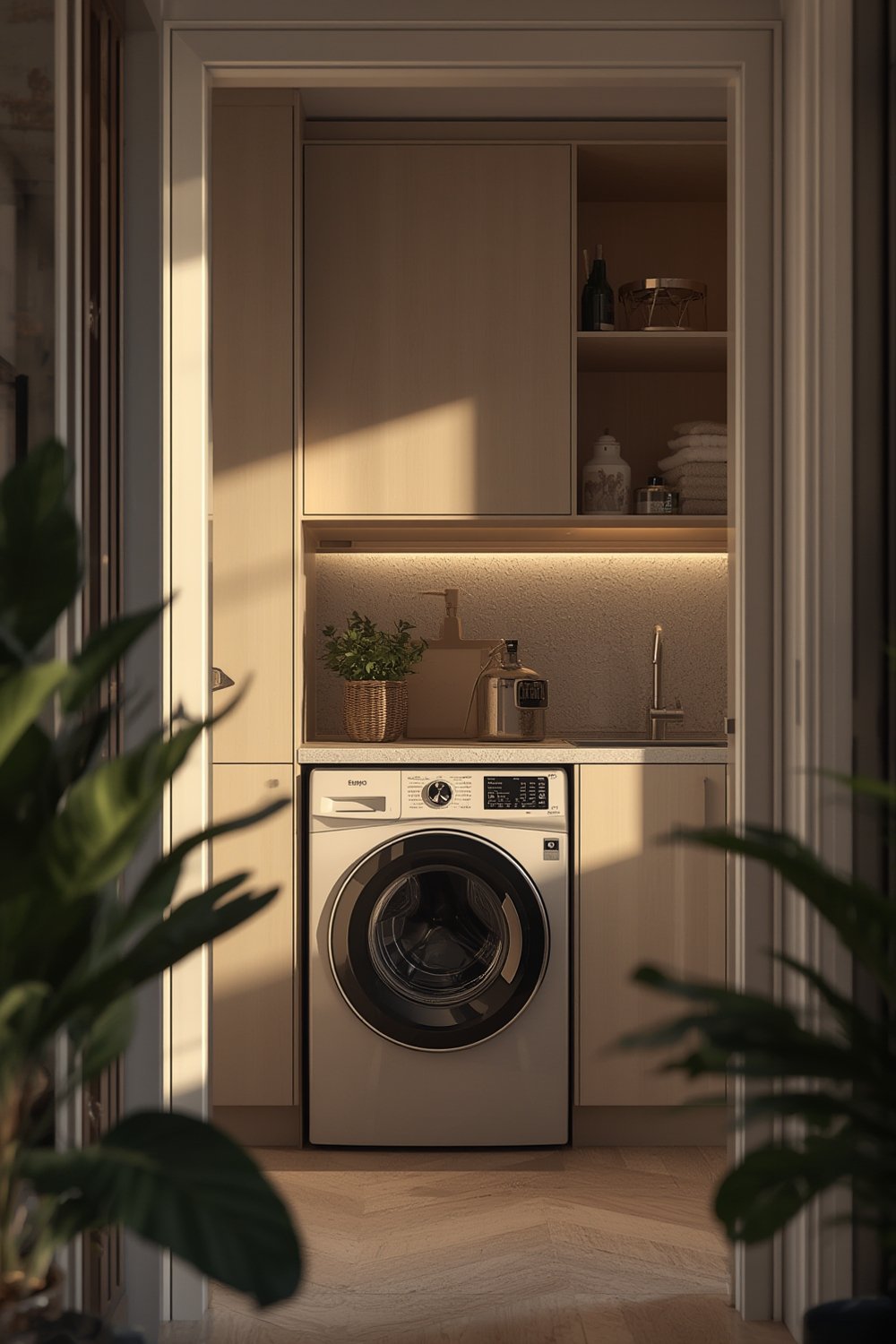
Global demand for these units is soaring. In 2024, the washer dryer combo market hit USD 17.8 billion, projected to climb to USD 30.6 billion by 2033, with ventless models fueling much of that growth (see market research). This is driven by urbanization, space-saving demands, and stricter energy rules, especially in Asia Pacific, North America, and Europe.
Compared to vented models, ventless washer dryers offer:
- Space and aesthetic savings: No elongated vent pipes, flexible placement.
- Simpler installation: Only needs standard water, drain, and electricity hookup.
- Energy efficiency: Heat pump models especially use far less electricity.
However, longer drying times and initial purchase costs are issues that buyers shouldn’t ignore.
Looking for an even deeper breakdown? Don’t miss our washer dryer combo vs stackable units comparison and a full guide on condo washing machine installs for more practical apartment insights.
Step-by-Step Guide: Installing and Using a Ventless Washer Dryer in an Apartment
Switching to a ventless washer dryer combo is easier than most expect, even for renters. Here’s a practical step-by-step process to get your appliance running safely and effectively in a typical apartment.
- Verify Utility Access
- Standard ventless units typically require a 120V or 240V standard outlet. Confirm amperage matches unit specs.
- Access to cold water (and sometimes hot, check the model) via a tap or permanent hookup.
- Drainage for wastewater—usually a standpipe, sink, or floor drain.
- Confirm Space Requirements
- Most combos are about 24-27 inches wide and deep. Leave extra depth for hoses and door swing.
- If installing in a closet, ensure ventilation gaps recommended by the manufacturer.
- Place and Connect the Unit
- Position carefully—avoid crimping hoses and keep the machine level to reduce vibration/noise.
- Connect power and water, ensuring tight plumbing joints to prevent leaks.
- Double-check the drainage path for obstructions. Routinely clear lint filters and drainage after setup.
- Test the Washer Dryer Combo
- Run an empty cycle to flush the system and check for leaks or electrical faults.
- If portable, experiment with sink and tub draining—ensure overflow isn’t possible.
- Daily Use Tips
- Don’t overload—combo units typically handle 2-4 cubic feet per cycle, varying by brand/type.
- Allow extra time for drying—ventless cycles can take 1.5x to 3x as long as vented.
- Wipe door gaskets and clean lint filters after every use to extend lifespan.
- Special Considerations for condensation management
- Some models collect condensed water in a tray—you must manually empty it, unless hooked to a drain.
- Keep the room ventilated, especially in small, humid-prone spaces, or minor humidity buildup may occur.
- Maintenance and Safety Checks
- Schedule regular filter cleanings—blocked filters degrade performance.
- Annually inspect and clean drains and hoses; mineral buildup can shorten unit life.
- Check warranty terms and nearby service centers before final purchase for peace of mind.
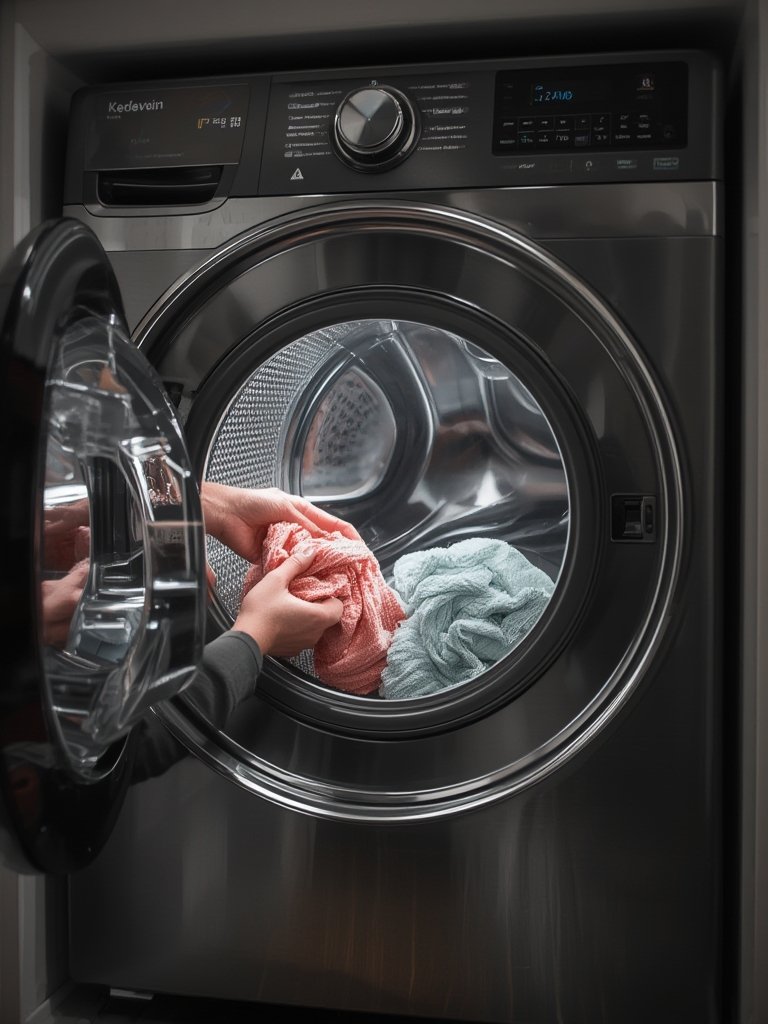
Want more installation shortcuts? Our portable washing machine setup guide and best narrow washer dryer units articles walk through the details, including troubleshooting and model-specific recommendations.
Note: North America tends to prefer separate washer and dryer units, but as ventless tech improves, combined all-in-one units are gaining market share—especially for luxury or built-in apartment installs, according to recent research.
Advanced Analysis & Common Pitfalls: What Most Guides Miss
Ventless washer dryer combos are not a magic bullet. They solve certain space and venting headaches, but present new performance and user pitfalls—and competitor guides often gloss over these realities.
Common Pitfalls & Troubles
- Drying Takes Longer: Heat pump and condensation tech is efficient but slow. Typical cycles stretch 1.5x–3x compared to vented dryers, possibly frustrating busy households.
- Residual Humidity: Units may release mild warmth and moisture into small spaces, sometimes creating humidity—especially if the drain is improperly installed or the room is unventilated.
- Repair & Maintenance Costs: Some models integrate electronic sensors or multiple filters. These require frequent checking—neglect can lead to clogs or even leaks, and repair costs tend to be higher for combos than for single-purpose machines.
- Warranty & Service Transparency: Manufacturer warranties for ventless combos can be spotty. Always ask for written terms—a critical step, as detailed service info is rarely available online. Use local appliance retailers with a proven service track record if possible.
- Potential Premium Price: Upfront costs are often higher than vented or basic washer models, reflecting newer technology and sometimes luxury home targeting.
- Energy Rebates Eligibility: While ventless units are energy efficient—especially those with heat pump technology—qualifying for local rebates or ENERGY STAR ratings isn’t guaranteed. Always confirm with your regional utility or housing authority; few sources publish up-to-date lists for ventless combos.
Below is a no-nonsense comparison of ventless washer dryer combos vs. other laundry options:
| Feature | Ventless Combo | Vented Dryer | Older Combo |
|---|---|---|---|
| Drying Time | Long (2+ hours typical) | Short (1 hour typical) | Longest (often 2-3h+) |
| Energy Use | Low (especially with heat pump tech) | Higher | Medium to High |
| Installation | Easy, no vent required | Complex, vent/duct required | Easy, but less energy efficient |
| Capacity | Moderate (2–4 cu.ft typical) | Large (often 7–8 cu.ft+) | Smallest |
| Upfront Cost | Higher | Lower | Varies |
| Lifespan* | Unknown/Brand-dependent | Well-established | Varies |
| Service & Parts | Less common, fewer techs | Widely available | Inconsistent |
*No industry consensus on average lifespan for ventless combos as of 2024
For further comparison—including how these stack up against portable units—read our comprehensive article on all-in-one washer dryer vs ventless units.
Conclusion
Ventless washer dryer combos are increasingly essential for urban apartment dwellers—offering outstanding flexibility, energy efficiency, and installation simplicity. Yet, it’s essential to weigh longer drying times, maintenance needs, and possible premium pricing. Before committing, confirm your power, drainage, and space, then double-check warranty and rebate details for the smartest purchase. Ready to explore if a ventless washer dryer is right for your next home upgrade? Visit our Apartment Laundry Guide or check out the latest reviews for more insights.
FAQ
Are ventless washer dryer combos suitable for all apartments?
Most apartments can accommodate a ventless combo, as they need only standard water, drain, and power. Nonetheless, check with your landlord or building management about allowed appliance types and any space or power restrictions before purchasing.
How much longer do ventless dryers take to dry clothes compared to vented models?
Ventless dryers often require 1.5x to 3x as long as vented dryers for similar loads, with cycle times regularly exceeding two hours—especially on energy-saving heat pump settings.
Do ventless washer dryer units increase room humidity?
They can, especially if the unit’s condensation management is misconfigured. Always ensure the drain is properly set, and consider additional ventilation in small or windowless rooms.
Are ventless washer dryer combos eligible for energy rebates?
Some are, especially ENERGY STAR certified or specific heat pump models, but coverage varies regionally. Always verify current rebates with your local energy authority or utility and keep the appliance’s energy rating documentation for future claims.
How do I maintain a ventless washer dryer for longevity?
Clean lint and water filters after every run, inspect hoses and drain lines quarterly, and run maintenance cycles as recommended in your unit’s manual. Schedule professional servicing annually to catch early issues.