


Infrared sauna home installation has rapidly become one of the top choices for modern wellness enthusiasts, home renovators, and families who want spa-quality relaxation right where they live. If you’re weighing the benefits, challenges, and how-tos of installing your own home infrared sauna, you’re in the right place—this guide breaks it down clearly, realistically, and with actionable steps for 2024 and beyond.
Key Takeaways
- Home infrared saunas are growing fast, with US market value set to double by 2035 and smart models leading adoption.
- DIY installation is realistic but requires careful consideration of electrical and spatial needs—expect unique setup challenges.
- Infrared saunas offer science-supported health benefits but have pitfalls; understanding the differences vs. traditional saunas is crucial before you invest.
- What Is an Infrared Sauna Home Installation—and Why Do It?
- Step-by-Step Guide to Infrared Sauna Home Installation
- Advanced Analysis & Common Pitfalls
- Conclusion
- Frequently Asked Questions
What Is an Infrared Sauna Home Installation—and Why Do It?
Infrared sauna home installation means setting up a dedicated space in your house—be it a basement nook, master bathroom, garage corner, or even a small apartment room—where specially designed panels or heaters emit infrared light that gently warms your body (not simply the air). Unlike traditional steam or dry saunas, infrared units often run cooler (typically 115 to 140°F), are more energy efficient, and are available in compact, plug-and-play packages as well as full-scale, built-in configurations.
The reason for the trend isn’t just wellness hype. Data shows the US home infrared sauna market reached USD 220.55 million in 2024 and may hit almost USD 431 million by 2035—nearly double the size—with a CAGR of 6.28% (source). Households are pushing demand as more people value personalized self-care, anti-aging benefits, and remote work lifestyles. Infrared models shine in the portable and DIY segment due to their smaller footprint and lower electrical requirements compared to most traditional saunas.
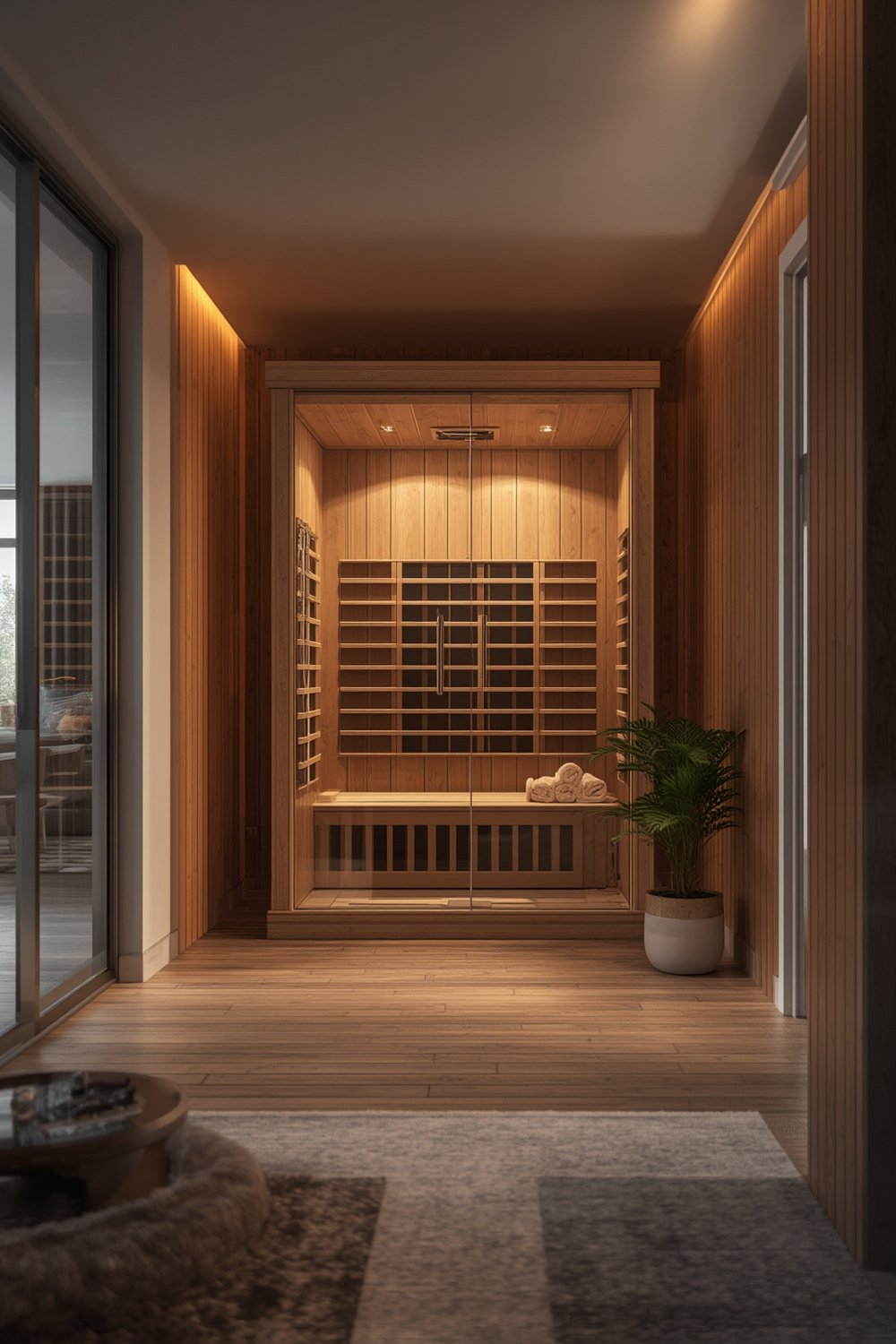
The convenience factor can’t be overstated—infrared saunas can go where traditional units cannot, including urban apartments where venting is impossible. Their popularity parallels similar home upgrades like ventless washer dryers and backyard ADUs, both of which let homeowners boost wellness, property value, and daily quality of life.
Step-by-Step Guide to Infrared Sauna Home Installation
Installing an infrared sauna at home is within reach for most DIYers who can safely handle basic tools. Below is a realistic breakdown of the process, including critical safety notes, as few guides tackle the actual problems you might hit along the way.
- Confirm your electrical supply: Most 1- to 2-person infrared saunas plug into a standard 120V outlet, but larger pro-style or full-spectrum units may require a dedicated 15-20A circuit. For built-in basement projects, hire an electrician for safe wiring and to check local codes.
- Prepare the floor: Install on a level, dry, and sealed surface—never directly on carpet (traps moisture) or unfinished basement slabs (risk of humidity damage). Consider floor mats or vapor barriers in challenging environments.
- Allow for ventilation: Infrared saunas don’t require external venting, but stale air buildup can occur in small or windowless spaces. A simple exhaust fan, cracked window, or adjacent room vent is often enough for home models.
- Assemble by sections: Most kits arrive with pre-fitted wall panels and modular benches. Follow the manual precisely, as poor alignment is the top cause of creaks or gaps. Panel locks can be stubborn—use a soft mallet and secure every fastener, especially along the ceiling line.
- Install infrared panels and controls: Always test panels after wiring, but before final wall closure. Mount controllers, check timer functions, and ensure remote sensors align properly with the seating area.
- Test for function and safety: Run a 30-minute cycle before first use. Check every heater, door seal, and the interior temperature (use an oven thermometer for a second opinion). Watch for flickering controls or tripped breakers—call an electrician if unsure.
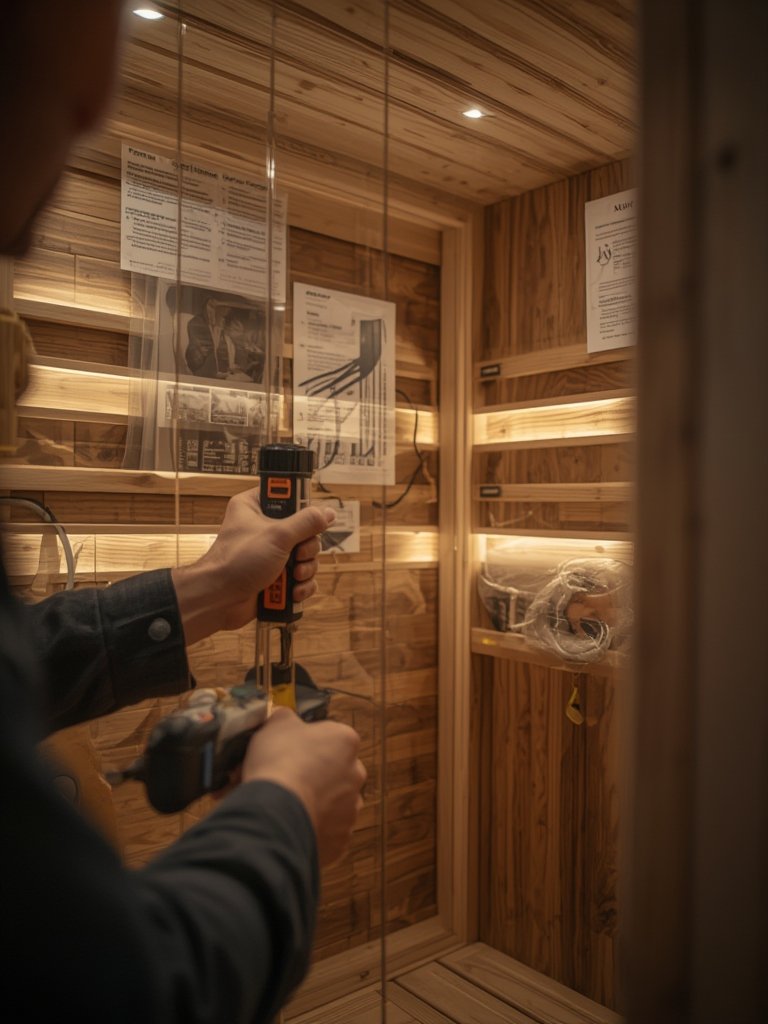
If you’re in a dense city with limited square footage, a portable infrared unit can provide flexible wellness access—think of it as the home comfort equivalent to portable laundry units for apartments, as discussed in our ventless laundry guide.
Planning a bigger property upgrade? Infrared sauna installations work well in tandem with garage ADU conversions or basement remodels to boost overall property appeal and resale value.
Advanced Analysis & Common Pitfalls
While manufacturers tout “easy assembly,” real-world installations have common sticking points—the kind not found in most official guides. Even the fastest-growing models face recurring complaints and pitfalls, which are worth addressing openly.
| Installation Area | Common Issue | How to Avoid |
|---|---|---|
| Basement | Insufficient ceiling height (most saunas require 78-84″) | Measure finished ceiling to floor carefully before purchase |
| Apartment or Garage | Electrical circuit overload | Consult an electrician for dedicated circuit if panel exceeds 1500W |
| Bathroom | Moisture damage to flooring and trim | Seal all wood; avoid placing directly on tile with open grout lines |
| All Locations | Missing components or vague instructions in DIY kits | Lay out and inventory all parts before assembly—contact manufacturer before starting if anything is unclear |
Another ongoing challenge: There is no universal installation code for infrared saunas. Homeowners are sometimes surprised by permit needs for electrical upgrades or by homeowners’ association rules that limit additions like outdoor barrel saunas or basement remodels (mirroring the hurdles seen in ADU construction).
From a durability standpoint, feedback from users (where available) points to issues with poorly fitted door seals, weak control panel backlights, and trouble sourcing replacement panels for older units. Portable saunas frequently receive complaints about zipper durability, frame sturdiness, and heat distribution, especially in budget options.
Healthwise, research supports wellness claims for cardiovascular relaxation, pain relief, and stress management, helping the category grow (see industry report). However, unlike traditional saunas, infrared models don’t offer the same “deep heat” or steamy humidity—meaning some users may miss the traditional sauna experience. For those with respiratory sensitivity or immune system issues, always consult a healthcare provider before prolonged use.

Conclusion
Infrared sauna home installation gives you practical, science-backed benefits—better relaxation, improved mood, and physical wellness—without the space, venting, or maintenance requirements of traditional saunas. While convenient, the process demands careful setup and ongoing maintenance to avoid common pitfalls. If you’re planning to invest, do your research, measure your space, and consult an expert for larger or more customized builds.
If you’re ready to transform your daily routine with an infrared sauna home installation, start by mapping out your space and reviewing the top-rated kits for your needs. Take the first sauna session and enjoy the upgrade—your wellness and property value may both thank you!
Frequently Asked Questions
Can I install an infrared sauna in a small apartment?
Yes, many portable infrared saunas are specifically designed for small apartments and require only a standard household outlet. Just make sure the model fits your clearance, ventilation, and access needs. Test the circuit load to avoid breaker trips.
Do I need to vent an infrared sauna?
Unlike traditional steam saunas, infrared saunas do not create excess humidity, so external venting is usually unnecessary. However, good airflow is recommended to prevent a stuffy environment. A ceiling vent or cracked window usually suffices.
What are the typical electrical requirements for a home infrared sauna?
Most 1 or 2-person units need a standard 120V outlet and draw about 10–15 amps. Larger, commercial-grade or full-spectrum models may require a dedicated 20A circuit or 220V power—always check manufacturer specs before purchase or consult an electrician.
How do full spectrum infrared saunas compare to traditional saunas?
Full spectrum saunas use a range of near, mid, and far infrared waves for deeper tissue penetration and a gentler heat, while traditional saunas rely on heated air or steam at much higher temperatures. Each offers distinct health benefits—infrared is often favored for relaxation, detox, and pain management, but does not deliver the same steamy experience as a traditional sauna.
What is the most common mistake in DIY infrared sauna home installation?
The most common mistake is mismatching the sauna size or electrical load to the available space and wiring. Always double-check ceiling height, dedicated circuit needs, and floor type before assembling any kit.
—