


Heat pump water heater technology is quickly changing how homeowners cut energy bills and decarbonize their homes. If you’re debating a swap from traditional gas or electric models, this no-nonsense guide covers the practical facts, money-saving stats, real-world challenges, and key decision points—without sugarcoating. Here’s what you need to know to decide if a heat pump water heater is the upgrade for your household.
Key Takeaways
- Switching to a heat pump water heater can cut annual hot water energy costs by $200-$550, with total lifetime homeowner savings averaging $1,800 or more.
- Upfront costs and more complex installation require careful planning, but federal rebates and electric rate discounts help offset expenses in many states.
- Not every home is equally suited; noise, space, and emergency timing can be pitfalls—read this guide before you commit.
- What Are Heat Pump Water Heaters and Why Upgrade?
- Your Step-by-Step Guide to Heat Pump Water Heater Installation
- Advanced Analysis and Common Pitfalls
- Conclusion
- Frequently Asked Questions
What Are Heat Pump Water Heaters and Why Upgrade?
Heat pump water heaters (HPWHs) use electricity to move heat from the surrounding air into the water tank—rather than generating heat directly. This makes them up to three times more efficient than traditional electric water heaters, which burn through electricity to create heat via resistance elements. The result? Real, measurable energy savings and a big dent in household utility bills.
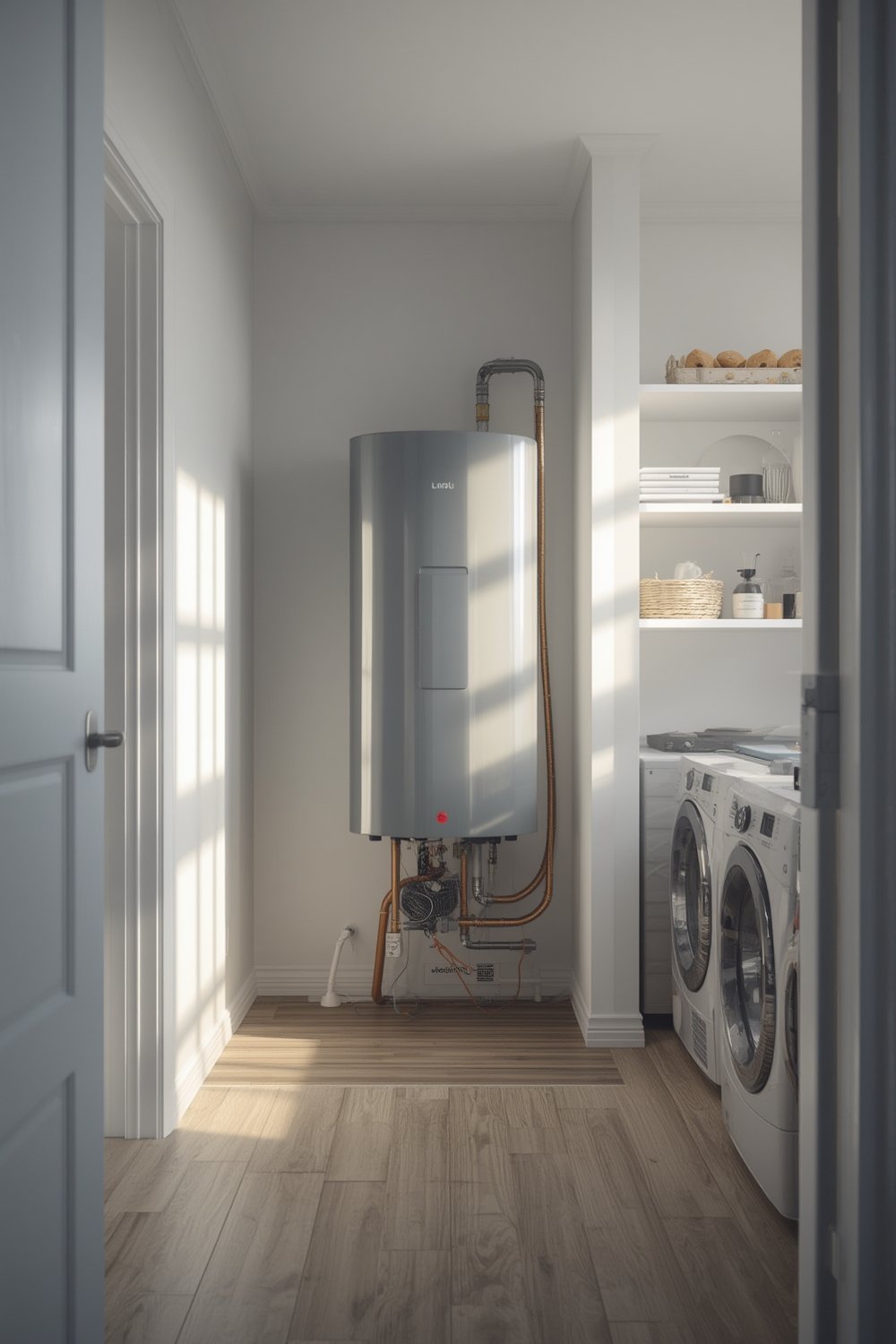
Recent Department of Energy statistics (2024) show that swapping a standard tank for a HPWH can save $200-$300 every year. Households of four can save even more—up to $550 annually if the HPWH is ENERGY STAR certified. Over the life of a new water heater, that adds up to $1,800 in typical savings. If these upgrades were made everywhere, US homeowners could collectively save about $8 billion each year in energy costs.
Water heating typically eats up 13%-18% of home energy use. So, upgrading is one of the single most effective actions you can take if you want a lower carbon, lower expense home. Plus, heat pump units act as dehumidifiers in humid basements and can boost furnace efficiency in cold weather.
Your Step-by-Step Guide to Heat Pump Water Heater Installation
No two homes are alike, and installing a heat pump water heater takes more than just swapping units. These are the steps you, your plumber, or your HVAC tech should follow to get the best results (and the most savings):
- Evaluate Your Household Hot Water Usage
- HPWHs perform best in homes using 50-80 gallons of hot water daily. For most families, this is just right.
- Check the Installation Area
- HPWHs require 700 cubic feet of space with year-round temperatures between 40-90°F. Typical locations: basements, garages, utility rooms, or large closets.
- Be aware that the unit’s compressor makes noise (different from silent resistance models). Some homeowners find it similar to a window air conditioner.
- Plan for Electrical and Drainage Needs
- Most HPWHs plug into a standard 240V outlet (some smaller models: 120V).
- A condensation drain or pump is a must.
- Shop for a Qualified, ENERGY STAR Certified Model
- Compare UEF ratings (efficiency), usable capacity, and cycle speed to ensure adequate hot water for your home size.
- Get Installation Bids and Ask About Local Incentives
- Ask installers if your region qualifies for federal tax credits (up to $2,000 via the Inflation Reduction Act) or state-level rebates (e.g., Massachusetts’ Mass Save electric rate discounts for HPWHs).
- Some energy providers also run “switch and save” promo programs, so check your provider’s website or talk to your local municipality.
- Collapse Timeline for Emergency Replacement
- If you’re replacing a failed tank under duress, confirm a HPWH is in stock and whether “direct swap” is possible—sometimes extra electrical/plumbing work is needed for retrofits.
- Finalize Installation and Commissioning
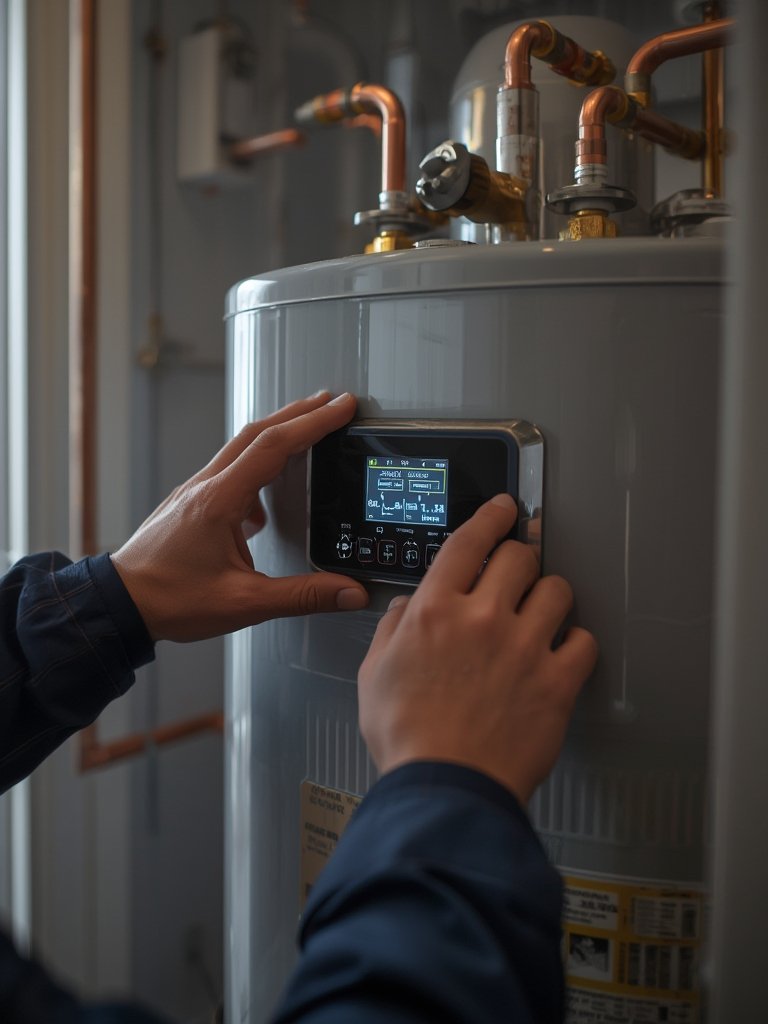
- Test the HPWH noise and heat exhaust before your installer leaves. Make sure controls are set for optimal efficiency with your family’s true usage schedule.
- Register Warranty and Set Up Maintenance Reminders
- HPWHs require periodic air filter cleaning and annual checks on condensate drains.
Want another smart upgrade? Pair your new HPWH with a curbless shower for accessible, barrier-free bathing that works for every generation. Or, increase your home’s value and comfort by reviewing ADU construction options if you’re planning for family changes or extra income space.
Advanced Analysis and Common Pitfalls
No water heater is perfect, and there are drawbacks and surprise costs that catch many homeowners off guard. Here’s the honest advanced analysis:
- Upfront Costs: HPWHs are typically more expensive to purchase and install than traditional gas or electric units. Depending on labor rates and site conditions, total costs may range from $1,500 to $3,500 (sometimes higher) vs. $900-$1,500 for electric or $1,300-$2,400 for tankless. Installation complexity (power, space, venting) can bump costs upward, especially for retrofit jobs. While incentives help, not every state or utility has big rebates.
- Noise and Location: HPWHs have a compressor that produces noise similar to a window AC unit. Installing near a bedroom, home office, or open living area can be a recipe for annoyance. If your utility area lacks sufficient ventilation or cubic footage, performance drops, and you may need to relocate the water heater entirely.
- Climate Suitability: Units thrive in moderate climates or inside conditioned basements. In extremely cold or tiny spaces, performance falls and the supplemental electric elements (inefficient mode) run more often.
- Emergency Replacements: Waiting until your old water heater fails means you might be forced to go back to gas or standard electric due to lack of local stock or the added time required for retrofitting a HPWH.
- Rebates and Eligibility: Incentives can be generous, but many require professional installation, energy audits, or switching from a non-gas system. Eligibility quirks can trip up DIYers and older homes. Local specifics are often buried on utility websites or only available seasonally.
| Water Heater Type | Upfront Cost (Installed) | Annual Operating Cost* | Typical Payback (Years) | Key Pros | Key Cons |
|---|---|---|---|---|---|
| Heat Pump (HPWH) | $1,500 – $3,500 | $200 – $300 | 5 – 7* | High efficiency, utility rebates, doubles as dehumidifier, much lower CO2 | Noise, space/vent needs, higher upfront cost, less efficient in cold |
| Traditional Electric | $900 – $1,500 | $400 – $600 | — | Low upfront cost, silent, universal fit | High energy bills, shortest lifespan, highest emissions |
| Gas Tank | $1,300 – $2,200 | $360 – $600 | — | Familiar, quick install, works in cold garages | Fossil fuel, venting needs, CO2 emissions |
| Tankless (Gas/Electric) | $1,700 – $3,500 | $250 – $700 | 7 – 10* | Compact, endless hot water, long life | Hard water issues, expensive install, less Green unless HP-integrated |
*Actual payback varies by household use and available incentives.

If you’re retrofitting an older home or want to combine your HPWH with other upgrades like a checkerboard floor tile bath, keep spatial limits in mind. Sometimes, unexpected structural and electrical upgrades increase costs. For modern homes with sufficient space and easy access, these obstacles are rare.
Conclusion
Switching to a heat pump water heater is one of the most powerful ways to slash household energy bills, shrink your carbon footprint, and future-proof your property. With careful planning and the right installer, you can avoid common pitfalls and maximize both incentives and comfort. Remember: the window for incentive programs and prime payback is now—wait too long and costs could rise or rebates disappear.
Ready to take action? Start evaluating your home for a heat pump water heater upgrade today and consult your utility or local contractor for rebates. Explore more sustainable home upgrades like infrared sauna installation or the benefits of ADU construction to maximize energy savings and comfort.
Frequently Asked Questions
Are heat pump water heaters noisy?
Yes, HPWHs are louder than traditional electric water heaters. Their compressor makes a sound similar to a small window air conditioner, so install them away from bedrooms or quiet areas if possible.
Do HPWHs work in cold climates?
They’re most efficient in moderate or warm spaces. In very cold climates, output drops and the unit may rely more on its backup electric heating element, reducing savings. A heated or insulated installation area helps.
How much space does a heat pump water heater need?
You’ll need at least 700 cubic feet (about the size of a large closet or small room) with good airflow. Squeezing a HPWH into a tight utility closet is not recommended.
Will I qualify for rebates or tax credits?
Most homeowners are eligible for federal tax credits (up to $2,000) if you install a qualifying ENERGY STAR HPWH. Some states, like Massachusetts, offer electric rate discounts or extra cash rebates. Eligibility varies, so check your utility and state energy office for specifics.
How often does a heat pump water heater need maintenance?
Basic maintenance is minimal: clean the air filter a few times a year and ensure the condensate drain is clear. Annual system checks are recommended, especially in dusty or humid spaces.