


Furniture reupholstery service is fast becoming a go-to solution for homeowners and designers seeking sustainability, custom style, and lasting comfort—all while keeping costs and environmental impact in check.
Key Takeaways
- The reupholstery market is growing, driven by sustainability and strict environmental regulations in North America and Europe.
- Upcycling saves money and reduces waste, but hidden costs and specialist expertise are critical to successful projects.
- Certifications like OEKO-TEX and ISO 9001 back safe, eco-friendly furniture refurbishing processes.
- What Is Furniture Reupholstery Service and Why Does It Matter?
- Step-by-Step Guide: Navigating Furniture Reupholstery
- Advanced Analysis & Common Pitfalls
- Conclusion
- FAQ
What Is Furniture Reupholstery Service and Why Does It Matter?
Furniture reupholstery service is the craft of replacing the fabric, padding, and other core materials of sofas, chairs, or other furniture—while keeping the existing frame. Rather than sending pieces to a landfill, reupholstering gives furniture a new lease on life, with custom fabric choices and the option to update underlying cushioning or design structural reinforcements.
The numbers tell the story: The global reupholstery and furniture repair market reached $5.67 billion in 2024, forecast to spike further as sustainability becomes a priority for households and businesses. North America leads this charge—largely due to eco-focused regulations like the Plastic Waste Reduction and Recycling Act. Reupholstery keeps unique, sentimental, or antique items useful for generations.
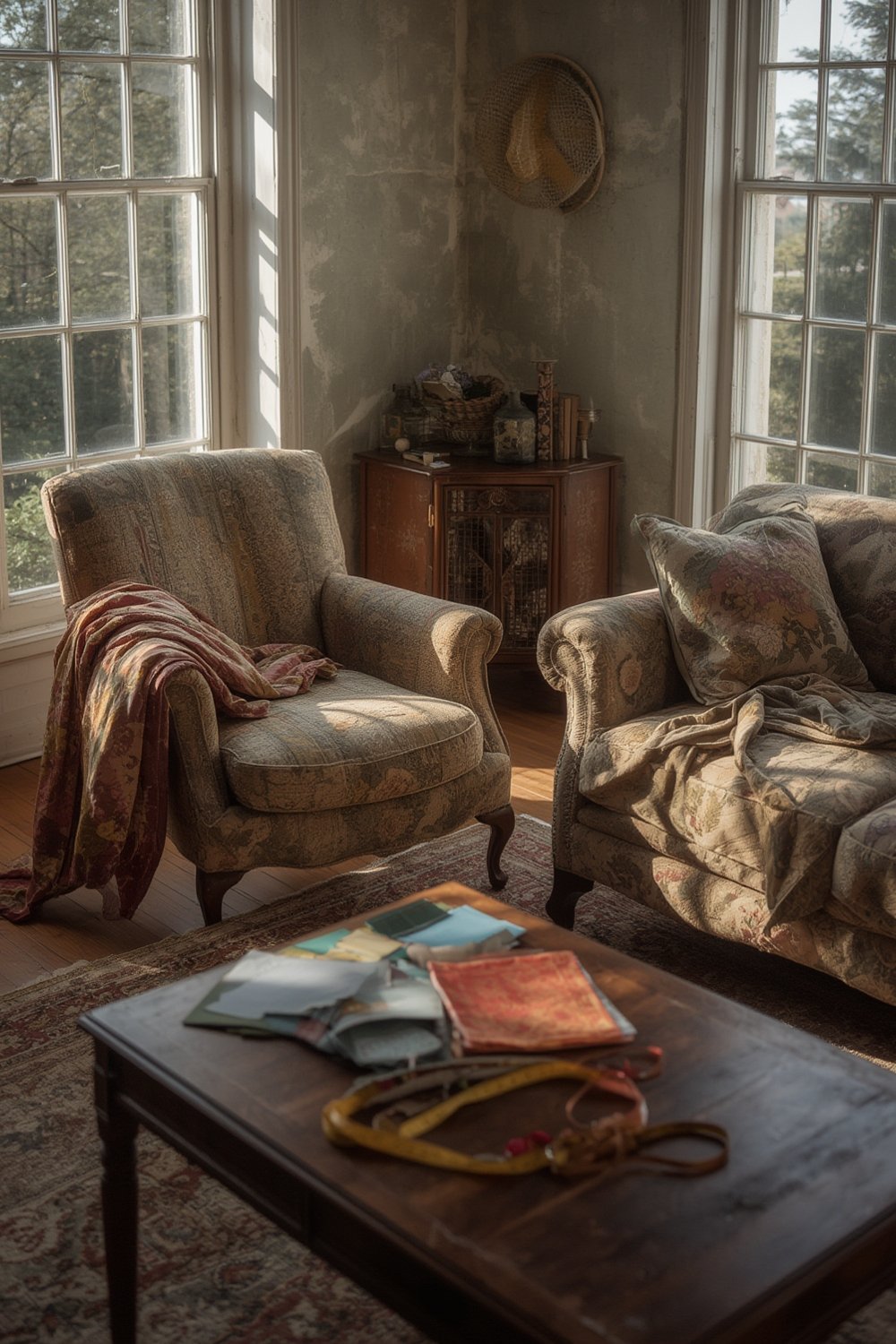
Sustainability is the foundation—and it’s enforced by regional incentives and regulations. For example, the EU Circular Economy Action Plan and North American recycling initiatives give homeowners more reasons than ever to choose refurbishing over buying new.
If you’re exploring other sustainable or value-boosting home investments, consider reading our guide on ventless laundry units—another top solution for modernizing apartments and homes with minimal waste.
Step-by-Step Guide: Navigating Furniture Reupholstery
Reupholstering can seem daunting, but breaking it into realistic stages makes the process simpler and far less intimidating. Use these clear steps to avoid costly mistakes.
- 1. Inspect the Frame
Before investing in new fabric or cushions, have a pro check the frame for integrity. Weak or warped wood will doom any reupholstery job. - 2. Choose the Right Fabric
performance fabrics are stain resistant, durable, and available in sustainable or recycled versions. OEKO-TEX and GOTS labels indicate safer, green-certified options. - 3. Remove Old Upholstery—Systematically
Carefully document each layer as you remove tacks, staples, and fabric. This helps the installer reverse engineer the rebuild correctly. - 4. Replace Padding & Webbing
High-resilience foam or latex upgrades extend the lifespan of the piece and enhance comfort. Old webbing or springs may need modern replacements. - 5. Rebuild & Attach New Fabric
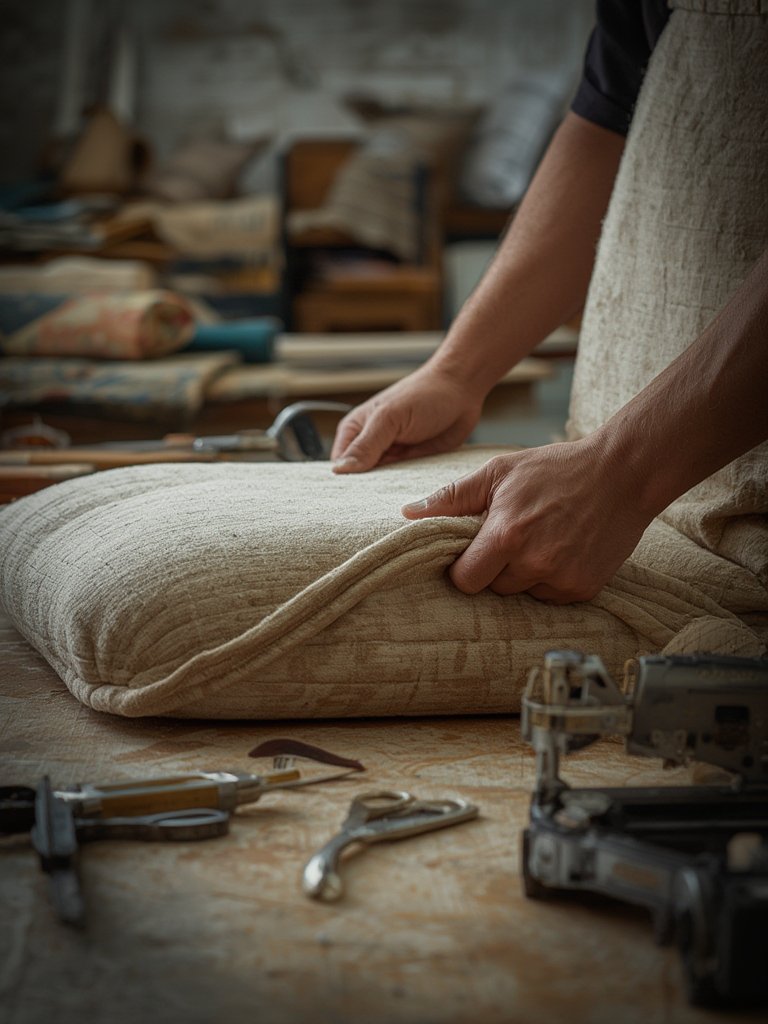
The real skill: stretching, cutting, and attaching fabric so seams align and there’s no premature wear. Corners and arms need special tension to last. Rebuild & Attach New Fabric - 6. Inspect Final Results
Request a walkthrough with your provider—check seams, cushion bounce, fit, and support before paying in full.
For homes focusing on energy upgrades and comfort improvements, investing in a heat pump water heater or infrared sauna installation can stack even more ROI on your property remodel.
Budget and Unexpected Costs
While exact data isn’t available, the three biggest cost factors are:
- Fabric: Premium fabrics can account for up to half your cost.
- Labor: Skilled labor drives price for antique or intricate furniture. Budget for above-average hourly rates if you own a rare piece.
- Surprises: Damage hidden under old covers, especially in antique chairs or sofas, often means extra charges for woodwork or new springs.
Always get a detailed, written estimate—itemizing fabric, labor, and materials. Ask about disposal fees for old material, or upcharges for expedited service.
If you’re considering further home transformation, our curbless shower installation tips show how accessible design and modern fixtures can future-proof your home alongside upcycled furniture.
Advanced Analysis & Common Pitfalls
Choosing reupholstery isn’t risk-free. Here’s what most providers—and many competitor articles—do not discuss openly:
- Low Transparency on Costs: Estimates often omit charges for specialty foam, rare trimmings, structural repairs, or rush delivery. Clarify every line item before signing off.
- Service Guarantees Vary: With little public data on warranties, select shops that offer documented post-project support—especially for rare or antique pieces.
- Skill Gaps Are Common: Not all providers handle vintage, designer, or nonstandard furniture. Always check past project photos and reviews when trusting a valuable piece.
- Environmental Claims Are Unregulated: Providers may market “eco-friendly” services without certified practices. Look for EU Deforestation Regulation, ISO 9001, or OEKO-TEX Standard 100 on materials and process sourcing (source).
As for durability and sustainability, using green-certified foams, adhesives, and fabrics matters. These choices can be validated by the aforementioned certifications or regional sustainability policies. However, not every vendor offers true “green” upcycling, so diligence is essential.
| Feature | Reupholstery Service | Buying New |
|---|---|---|
| Environmental Impact | Reduces landfill waste, supports circular economy (see source) | Resource-heavy manufacturing, often imported materials |
| Customization | Fully tailored (fabrics, padding, style) | Often limited to available models |
| Longevity | Extends life of cherished or antique pieces | Dependent on new build quality—may have planned obsolescence |
| Certifications Available | OEKO-TEX, ISO 9001, EU Deforestation (source) | Often uncertified for low-cost options |
| Cost Predictability | Can vary; hidden repairs may increase final bill | Fixed up-front price; may not include delivery, assembly |

Want more ideas for eco-friendly or flexible living upgrades? Our ADU construction guide is packed with strategies for boosting property value and living space, often using upcycled materials as a foundation.
Conclusion
Furniture reupholstery service is a powerful way to extend the beauty and usefulness of heirloom, vintage, or everyday furnishings—while significantly reducing waste and supporting a circular economy. By understanding the true steps, hidden costs, and advanced certifications available, you avoid disappointment and maximize your investment. Ready to revitalize your home, save resources, and create unique, sustainable designs? Contact your local furniture reupholstery service expert and get started today.
FAQ
How long does furniture reupholstery usually take?
Timelines can range from one week for simple dining chairs to several weeks for large sofas or complex antique pieces. Delays may occur if specialty fabrics or structural repairs are required.
Is reupholstering always cheaper than buying new furniture?
Not always. While many projects cost less, rare fabrics, complicated repairs, or high labor fees can approach or exceed the price of buying mid-range new pieces. For antiques and sentimental items, value preservation makes reupholstery the better choice.
What certifications should I look for in sustainable reupholstery services?
Look for OEKO-TEX Standard 100, ISO 9001, and EU Deforestation Regulation certifications. These ensure your upholstery materials are safe, ethically produced, and as sustainable as possible.
Can I reupholster washable rugs or other non-traditional items?
Yes, many services now offer reupholstery or rebinding options for washable rugs and unique home textiles. Explore our washable rug guide for more inspiration.
Are there any risks with DIY reupholstering?
Yes. Mistakes like improper fabric stretching, incorrect material choice, or missed structural damage can cause expensive problems and shorten the life of your furniture. DIY is best reserved for simple projects.