


electric screwdriver set sales are up in 2024, but not all sets are user-friendly for seniors or those with arthritis. If you need a power tool that’s truly easy to use—even with limited hand strength—here’s how to actually pick the right one, what to avoid, and which features impact accessibility most.
Key Takeaways
- The electric screwdriver set market is rapidly growing, mainly thanks to cordless and ergonomic designs, but arthritis-friendly options remain niche.
- Consumers with hand mobility limitations should prioritize lightweight models with ergonomic handles, but beware that few brands specifically target arthritis accessibility.
- Don’t assume higher prices mean better accessibility—most premium features focus on performance, not ease of use for those with limited grip.
- What Makes an Electric Screwdriver Set Accessible?
- Step-by-Step Guide: Choosing the Right Set for Dexterity Needs
- Advanced Analysis & Common Pitfalls
- Conclusion & Next Steps
- Frequently Asked Questions
What Makes an Electric Screwdriver Set Accessible?
Choosing the right electric screwdriver set is about more than voltage or speed. If you have arthritis, carpal tunnel, or limited hand strength, it’s the tool’s ergonomic features—lightweight construction, grip design, easy-access switches, and battery type—that matter most. While battery efficiency and torque control are selling points across the board, few sets are made with arthritis or senior users as the primary audience.
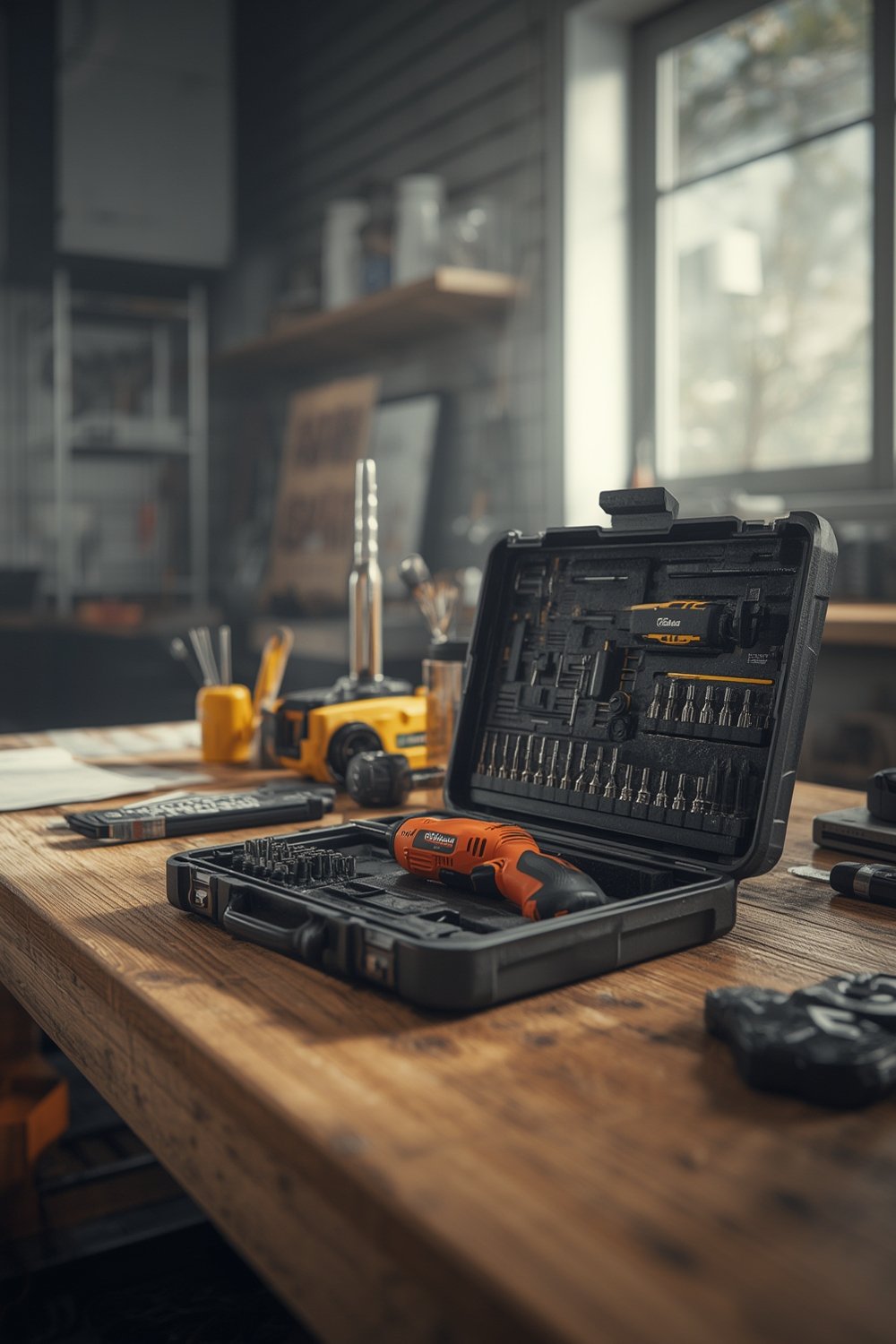
According to recent market reports, the electric screwdrivers market is valued at $5.7B in 2024 and is dominated by cordless models due to mobility and compact size. What’s less clear is how these design changes benefit aging populations or those with restricted dexterity. Unlike universal design in bathrooms, adaptive grip technologies in power tools aren’t yet mainstream—but ergonomics and lightweight builds are a step in the right direction. If you’re considering a set for senior use or arthritis relief, focus on these core criteria before looking at torque or brand name.
Step-by-Step Guide: Choosing the Right Set for Dexterity Needs
Making the right electric screwdriver set choice involves more than scanning product specs. Here’s how to do it with accessibility needs front and center:
- Weigh Before You Buy: Physically hold the tool if possible. Lightweight sets (ideally under 1.5 pounds) put less strain on wrists and fingers. Online listings rarely include full weight with battery attached—always verify via reviews or in-store testing if strength is a concern.
- Handle Shape Matters: Look for soft, contoured, or rubberized handles. Cylindrical or thin handles force a tighter grip, making them hard on arthritic hands. Flat, oval, or pistol grips distribute force more evenly and reduce stress.
- No-Slip Switches and One-Handed Operation: Choose models with oversized, textured, or slide switches that activate easily with thumb or palm—not small triggers or stiff toggles.
- Battery Type and Charging: Lithium-ion is lighter and recharges faster than NiCd. Consider sets with USB-C charging to avoid proprietary, fiddly adapters (a common frustration for seniors).
- Bit Change System: Quick-change chucks mean less twisting or pulling—magnetic bit storage or push-to-release buttons are best for weak grip strength.
- Test the Torque: Lower maximum torque is safer for delicate jobs and for users who may lose grip if resistance increases suddenly. Look for adjustable torque settings if fine motor control is limited.
- Read User Reviews, Not Just Specs: Search for buyer reviews mentioning seniors, arthritis, or ease of use. While few are written specifically by those with hand limitations, anecdotes can reveal hidden pain points or advantages.
- Double-Check Warranty and Return Policy: Frustration-free returns matter. If a tool’s handle proves hard to use at home, you want an easy way to send it back for a better fit.
- Bonus: Accessories Count: Look for included magnetic bit storage, a built-in LED light for better visibility, and a carry case—all small features that make day-to-day use easier for anyone with dexterity issues.
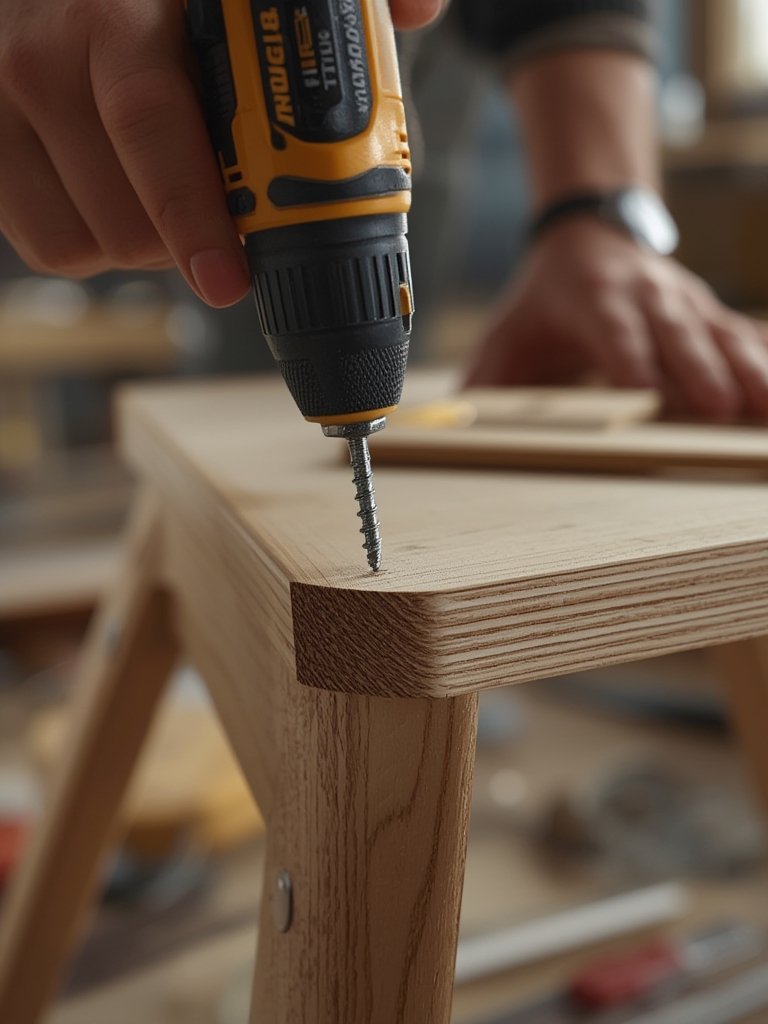
If in doubt, look for tool review sites or ask for a demonstration at your local hardware store. For further accessibility at home, consider other upgrades like ventless washer dryer units or energy-efficient water heaters—especially if you’re retrofitting for aging in place.
Advanced Analysis & Common Pitfalls
Most buyers—especially those with arthritis—run into problems that aren’t obvious on a feature checklist. Here’s what the latest market research (and lack of consumer pain point data) reveals, along with pitfalls to avoid:
| Feature | Arthritis-Friendly? | Typical Standard Model | Potential Issue |
|---|---|---|---|
| Weight Range | Seldom under 1.2–1.5 lbs (with battery) | 1.5–2.5 lbs | Heavier builds exhaust weak hands quickly |
| Handle Grip | Occasionally contoured or rubberized | Mostly cylindrical plastic | Cylinder or thin handles strain small joints |
| Switches/Triggers | Larger, some slide-style | Often small or stiff trigger switches | Trigger requires finger pinch, may be hard to press |
| Battery Charging System | USB-C or snap-in chargers emerging | Proprietary, sometimes small plug jacks | Tiny ports hard to see or manipulate for poor vision/hands |
| Bit Change Mechanism | Tool-free designs gaining traction | Manual collets or screw-in bits | Requires gripping/twisting force some can’t manage |
| Brand Accessibility Focus | No large brand targets arthritis directly | Features sold for speed/efficiency, not accessibility | Lack of adaptation; must look for workarounds |
Premium models from brands like Bosch and Milwaukee often tout brushless motors, torque memory, or digital displays—meant for industrial efficiency rather than ease of use for people with arthritis or joint pain. Most innovations in 2023 and 2024, including AI-enabled screwdrivers and enhanced lithium-ion batteries, focus on productivity, not accessibility.
Buyer beware: some features marketed as “ergonomic” simply mean “comfortable for average users,” with no real difference for those who need wider, softer grips or feather-light builds. No major brands publish independent hands-on test data for arthritis users—an ongoing gap in the market. Thoroughly try before you buy or stick with models where independent reviews mention suitability for limited hand strength.
Some users have also found alternatives in broader home upgrades, such as infrared saunas for at-home therapy benefits or easy-care flooring that reduces maintenance strain.
Conclusion & Next Steps
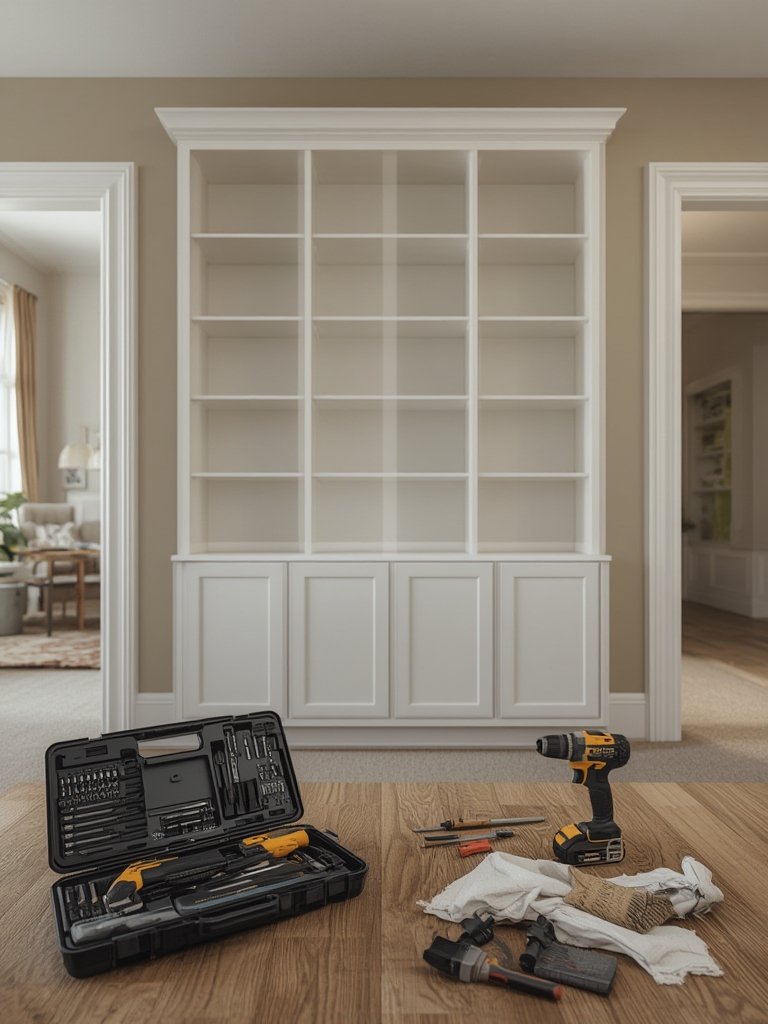
If you’re searching for an electric screwdriver set that genuinely helps users with arthritis or low hand strength, prioritize lightweight, ergonomic, and easy-to-use features. Don’t be swayed by price alone—premium models typically optimize for power, not accessibility. Test handles in person, customize grips if needed, and look for reviews by users with similar mobility concerns. The market is moving towards smarter, lighter, more manageable tools, but truly arthritis-friendly designs are still rare. If adapting your home, also consider accessible upgrades like curbless showers or washable rugs for low-maintenance comfort. Ready to make daily projects easier? Shop carefully and put your health first—your hands will thank you every time you reach for your new electric screwdriver set.
Frequently Asked Questions
Are there electric screwdriver sets made specifically for arthritis sufferers?
No mainstream brands market screwdriver sets directly to people with arthritis. Instead, look for features like contoured rubber handles, low weight, and tool-free bit changes. Custom grips can also make a standard model more accessible.
Does paying more guarantee better ergonomic features?
Not always. Higher-priced models often add power, durability, or smart features, but few are engineered specifically for accessibility. Focus on handle shape, weight, and battery type rather than price alone.
What’s the difference between a drill driver and an electric screwdriver set for dexterity issues?
Drill drivers are heavier and deliver higher torque, making them harder to control with weak hands. A lightweight screwdriver set with lower torque is safer and easier for most users with limited hand strength.
Are there any new innovations or patents for arthritis-friendly screwdrivers in 2024?
Recent innovations like Bosch’s AI-enabled screwdrivers focus on industrial efficiency, but no new patents have targeted accessibility or arthritis needs specifically as of 2024.
Can I modify a standard screwdriver set to make it easier to use?
Yes. Adding grip tape or rubber sleeve to handles can help. Using a tool holder or benchtop support may allow hands-free use for those with especially low grip strength.