


Curbless shower installation is rapidly becoming a top bathroom upgrade for homeowners focused on accessibility, safety, and future mobility. Whether you’re aging in place or simply want a modern, easy-to-clean space, understanding how to install a barrier-free shower is critical before you start any remodeling project.
Key Takeaways
- Curbless shower installation is popular among aging-in-place homeowners, with 38% including this upgrade during their renovations in 2024.
- Common pitfalls include leaks, improper drainage, and code-related failures—issues that can be avoided with careful planning.
- While complete accessible bathroom remodels may cost up to $40,750, investing in a curbless shower can improve future home flexibility and comfort.
- What Is Curbless Shower Installation and Why Do It?
- How to Install a Curbless Shower: Step-by-Step
- Biggest Installation Mistakes and Problems to Avoid
- Conclusion
- FAQs about Curbless Shower Installation
What Is Curbless Shower Installation and Why Do It?
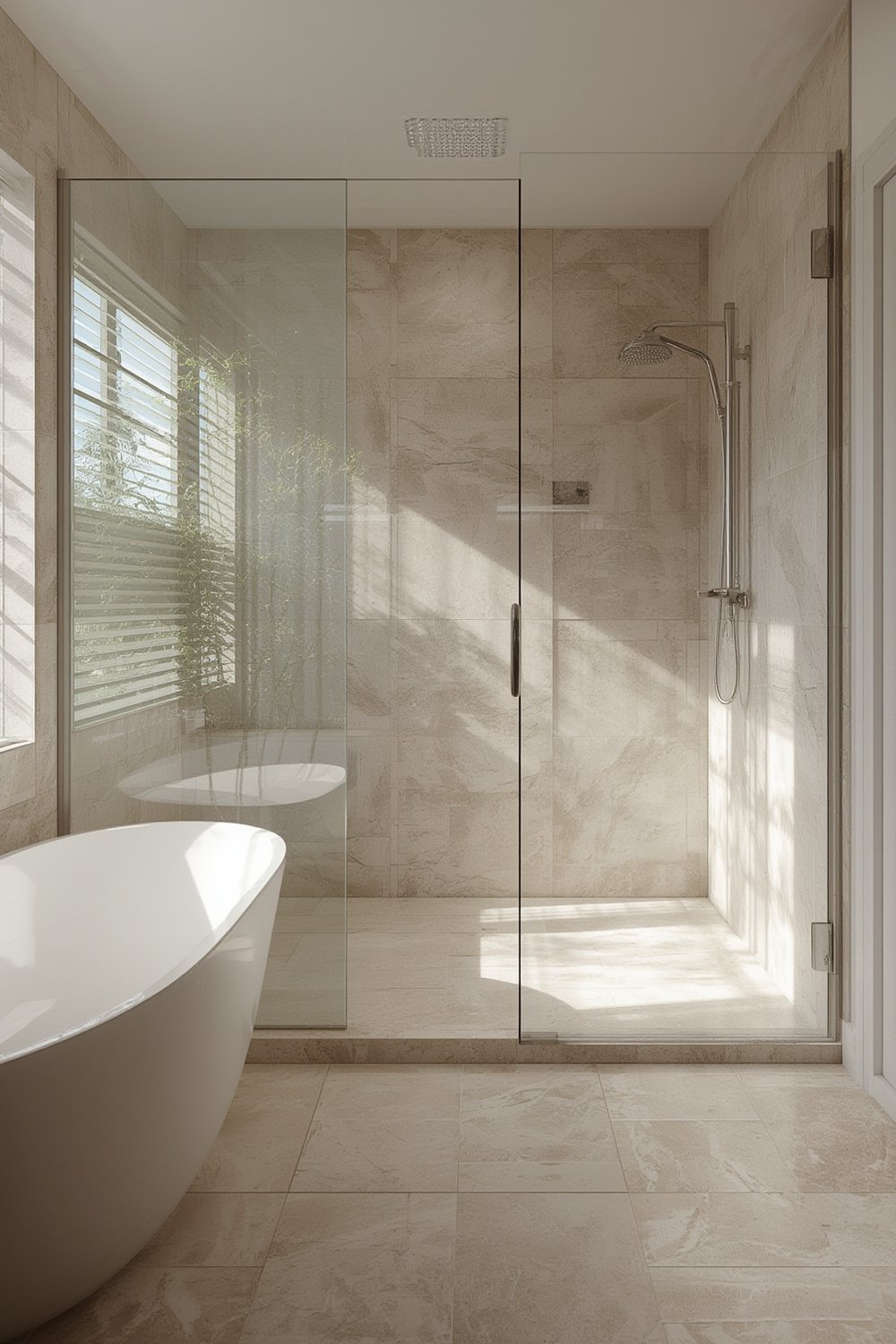
Curbless shower installation removes the raised threshold between the bathroom and shower area, creating a seamless transition. This design offers both visual appeal and physical accessibility, making it ideal for anyone with mobility challenges or families planning for future needs. According to the 2024 Houzz Trends Report, 38% of homeowners updating bathrooms for aging-in-place in 2024 chose curbless showers, making it the third most popular style after low-curb and alcove showers. Remodeling professionals installed curbless showers in 78% of aging-in-place projects, second only to grab bars.
Notably, many homeowners are also motivated by minimalist design and easier cleaning, making this upgrade increasingly common in modern renovations.
How to Install a Curbless Shower: Step-by-Step
Planning a curbless shower installation isn’t just about looks—it’s about proper drainage, long-term durability, and meeting code requirements. Here’s a step-by-step breakdown for a typical home bathroom:
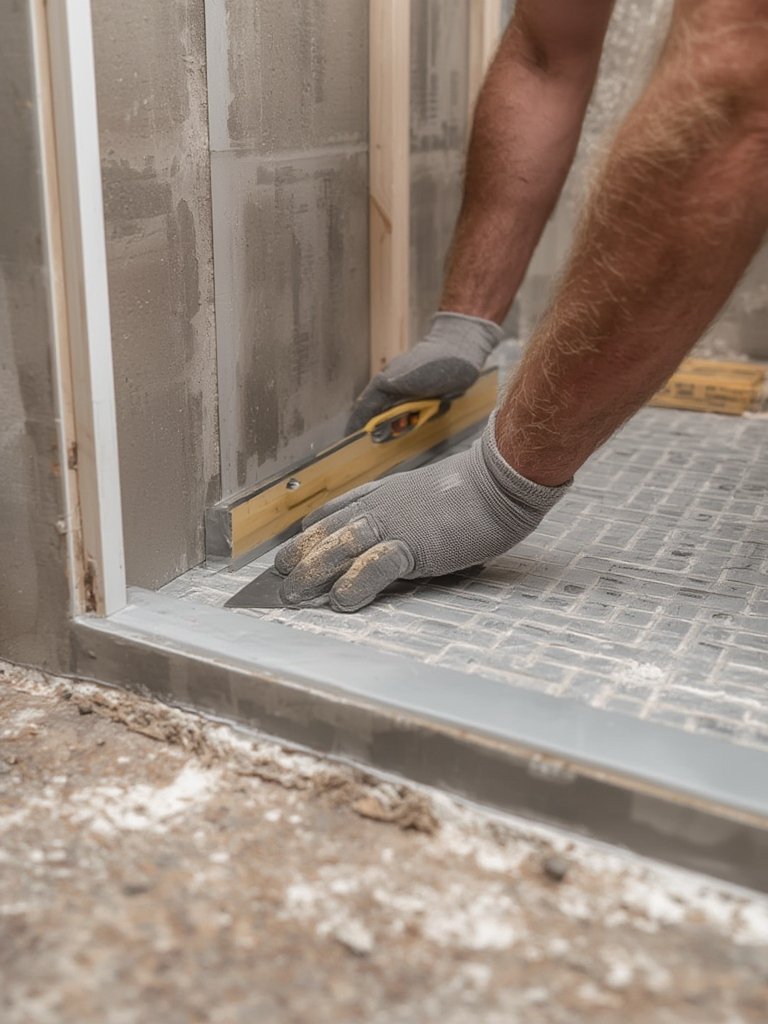
- Demolition and Subfloor Prep: Remove the old shower, tiles, and curb. Lower the bathroom subfloor if needed to accommodate the thickness of the new shower pan and waterproofing layers. Check for rot or water damage and repair before moving on.
- Plumbing Adjustments: Relocate or update the drain to a linear style if possible; this makes curbless design much easier by requiring slope in only one direction. Confirm the drain is properly vented and securely connected.
- Slope Creation: The floor must slope 1/4 inch per foot toward the drain for proper water management. Use self-leveling concrete or a presloped foam pan to simplify the process.
- Waterproofing: Cover the shower floor and at least 12 inches outside the shower zone with a waterproof membrane. Overlap seams and use compatible sealants at all corners and penetrations. Poor waterproofing is the primary reason for leaks in new walk-in showers.
- Install Shower Pan or Floor Tile: Place the chosen pan or start tiling once waterproofing has fully cured. Choose slip-resistant tiles for safety in wet conditions.
- Final Fixtures and Glass: Install shower heads, controls, and optional fixed or pivoting glass dividers. Test for leaks around the drain and all connections before using the shower regularly.
- For older homes or thin floor structures, you may need to consult a structural specialist to confirm the subfloor can support the new slope and any reinforcement.
- Curbless designs pair well with other upgrades like compact ventless laundry units for in-bath utility, or even home saunas for a spa-like feel.
Biggest Installation Mistakes and Problems to Avoid
While curbless showers can look simple, they require careful technical work. Below are the most common issues reported by professionals and homeowners:
| Problem | What Causes It | How to Avoid |
|---|---|---|
| Poor Drainage / Standing Water | Incorrect slope during installation; using flat or unsloped pans. | Use a graded pan or ensure at least 1/4″ per foot slope toward the drain. |
| Leaks and Water Damage | Improper membrane installation; missed seams or gaps in waterproofing. | Overlap all waterproofing and seal corners; extend the membrane at least 12″ beyond the shower area. |
| Failed Code Inspections | Ignoring permit requirements or local slope/drain standards. | Always pull permits and confirm standards with local inspectors before starting. |
| Slippery Floors | Wrong tile choice; using smooth tiles in wet zone. | Choose tiles with R11 or higher slip resistance. |
Budget is another important consideration. An accessible bathroom remodel, often with curbless shower installation, can cost up to $40,750. The absence of a curb means extra work during demolition, as well as higher standards for water management and floor strength.
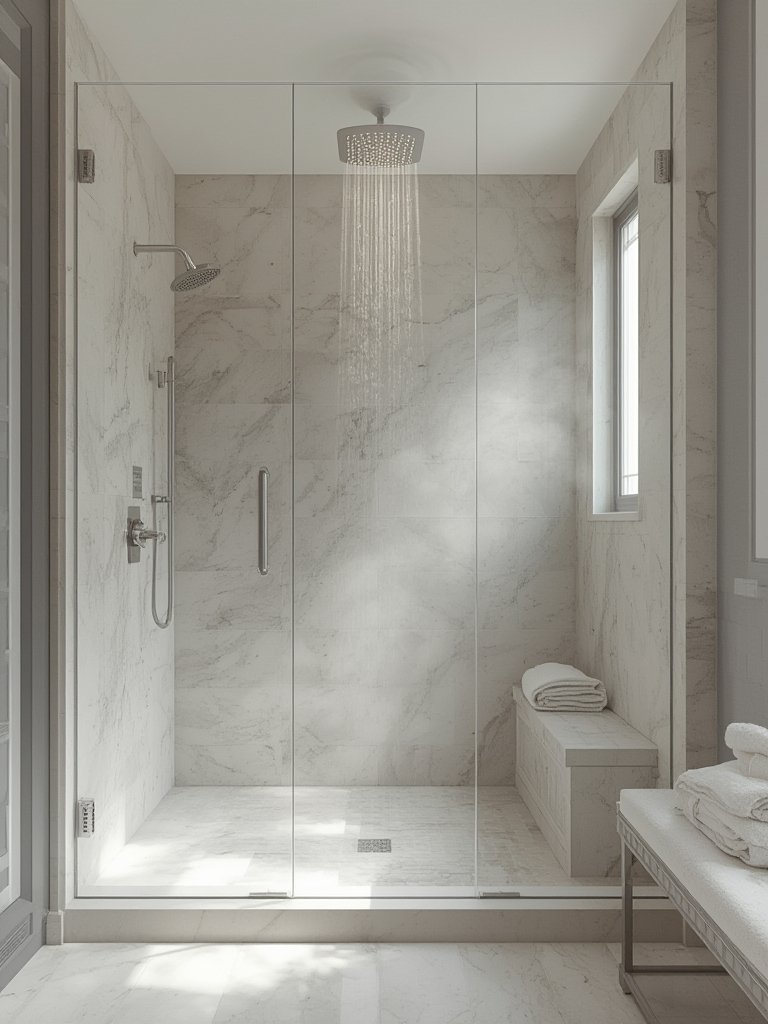
Designers may recommend additional features, such as checkerboard floor tile for visual contrast (which also aids those with low vision), or large-format tile for easier cleaning.
Conclusion
Curbless shower installation can transform a bathroom by making it safer, more adaptable, and more attractive. It’s not a DIY job for everyone—cost, drainage, and code hurdles are real—but with planning and expert help, it’s one of the most future-proofed upgrades you can make. Review local permit needs, choose materials wisely, and don’t skip proper slope and waterproofing. Investing in a curbless shower installation today is an investment in comfort for years ahead.
Ready to upgrade your bathroom? Compare costs in your region and consult with a bath pro today for a personalized quote.
FAQs about Curbless Shower Installation
Is curbless shower installation possible in every bathroom?
No, it depends on your existing floor height, subfloor structure, and drain location. Some homes require significant floor modifications or may not support a fully flush entry.
Does removing the curb increase the risk of flooding?
Properly installed curbless showers—with a correct slope and waterproof membrane—do not increase flood risk. However, poor installation or inadequate slope does increase water escape hazards.
What is the typical cost difference between curbless and traditional shower remodels in 2024?
While region specifics vary, accessible bathroom remodels that include a curbless shower can run up to $40,750. Expect higher labor costs than curb-based showers due to extra demolition and waterproofing work.
Is a permit always required for a curbless shower installation?
Most areas require a permit for this type of structural and plumbing modification due to code and safety concerns. Skipping permits can result in failed inspections and insurance issues.
Can I combine a curbless shower with other bathroom upgrades?
Yes, this design works well together with accessible fixtures, combo laundry units, or even home saunas for a true in-home spa experience.