


Checkerboard floor tile is making a strong design comeback, transforming everything from kitchens to mudrooms and even outdoor spaces. While this bold pattern instantly elevates rooms, there are real considerations to weigh before making it part of your home. Let’s look at what’s trending, how to install checkerboard tile, and where the pitfalls hide—without the fluff, just honest, actionable guidance.
Key Takeaways
- Checkerboard tile is trending for 2025 and beyond, with new colors and uses outside the kitchen and bath (source).
- Material choice—ceramic, porcelain, or stone—impacts durability, price, and where you can install checkerboard patterns.
- Some performance, pricing, and maintenance details remain unclear due to current gaps in public research.
- What Is Checkerboard Floor Tile and Why Are People Choosing It?
- Step-by-Step Guide: Planning, Buying, and Installing Checkerboard Tile
- Advanced Analysis & Common Pitfalls
- Conclusion
- FAQ
What Is Checkerboard Floor Tile and Why Are People Choosing It?
Checkerboard floor tile uses alternating colored tiles—often in a grid or diamond orientation—to create a bold, timeless statement. Traditionally black and white, the style is evolving. In 2025 and 2026, you’ll see palettes like navy and blush pink, mint and coral, or muted neutrals (source).
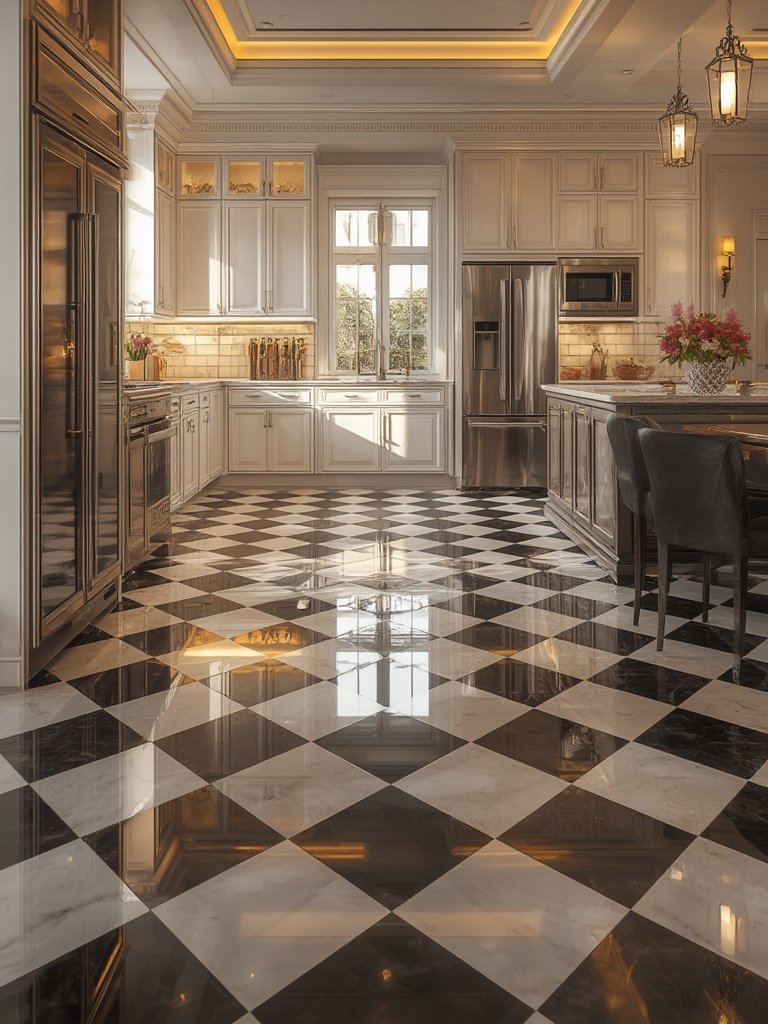
Interest in checkerboard patterns is surging in kitchens, bathrooms, foyers, and mudrooms, but innovative designers are taking them outdoors or into home offices. This style fits modern, Mediterranean, Scandinavian, and mid-century decor schemes (source).
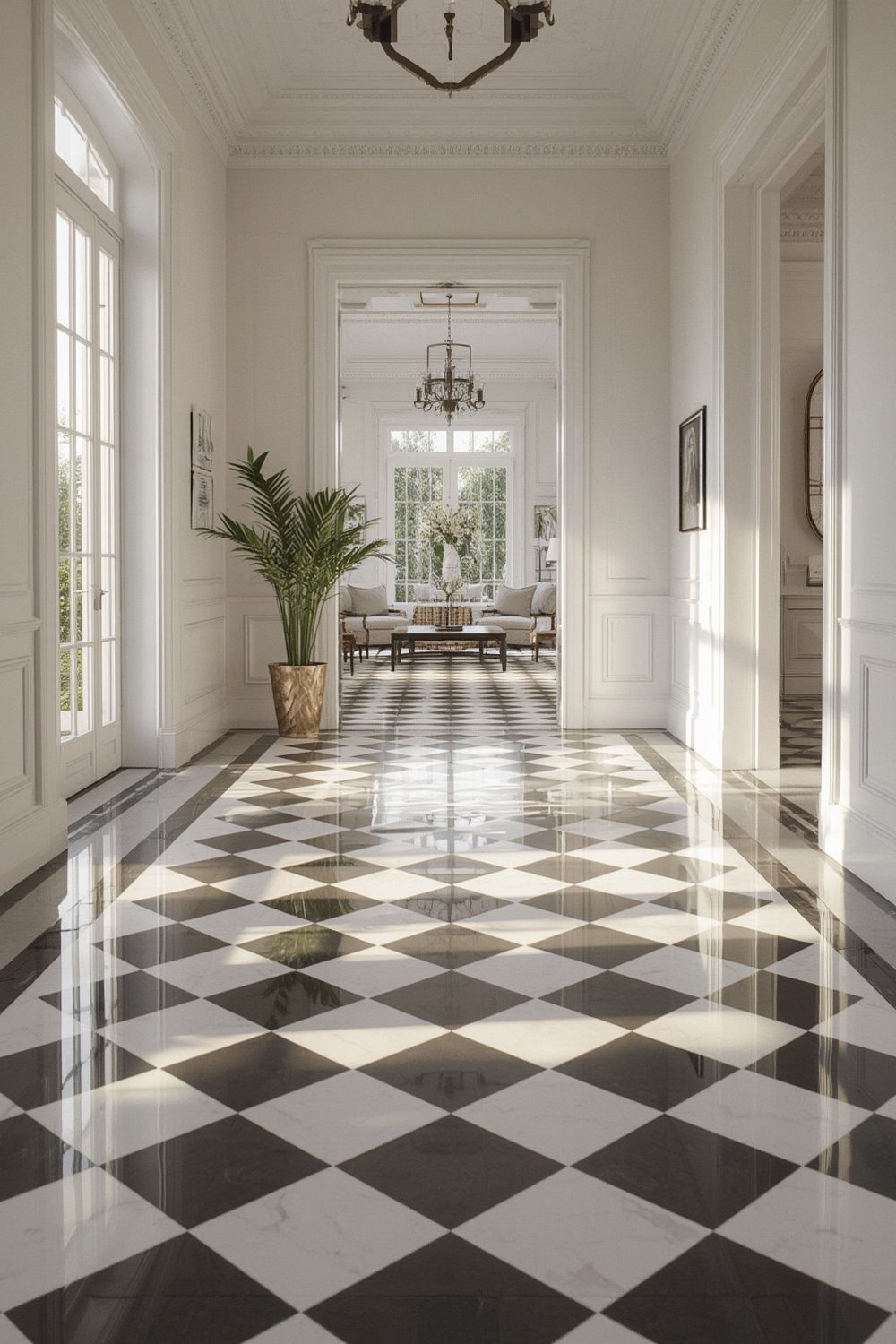
Why the renewed appeal? Checkerboard delivers instant visual drama and a sense of order. For property owners, it can modernize a basic room or even boost appeal for rentals, similar to upgrades like in-unit washer dryer combos and backyard ADUs.
Step-by-Step Guide: Planning, Buying, and Installing Checkerboard Tile
Updating your flooring with checkerboard tile isn’t as simple as picking two colors. The steps below detail planning, material choice, and installation for best results.
- Measure your space with precision. Plan the orientation: will you install tiles in a traditional grid or at a 45-degree diamond angle? Mark a chalk line for your starting point.
- Choose your materials. Ceramic tiles are affordable and easy to cut. Porcelain offers extra durability and water resistance for kitchens and baths (source). Stone delivers luxury but is pricier and harder to install.
- Select your colors. Don’t limit yourself to black and white. Consider muted colors for subtle contrast or bold hues for statements.
- Order tile and supplies. Factor in extra material, grout (choose color carefully for contrast or blending), adhesive, spacers, and a wet saw for cuts.
- Prep the subfloor. Remove old flooring, repair any dips or damage, and ensure everything is clean and dry.
- Dry lay a test pattern. Lay out several rows without adhesive to preview the look and confirm alignment before committing.
- Begin installation. Apply adhesive as directed. Place center tiles first and work outward, keeping lines straight—checkerboards highlight even minor drift.
- Grout, clean, and seal (if applicable). Allow adhesive to fully cure before applying grout. Clean haze promptly and consider sealing grout or stone tile for durability.
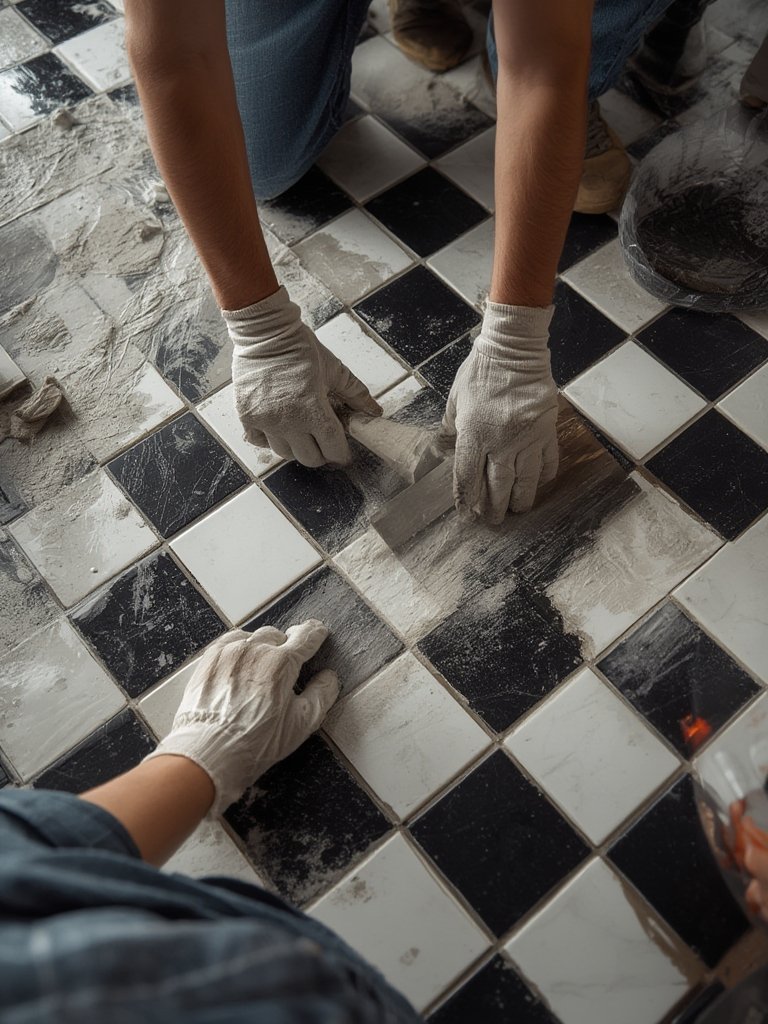
For DIYers, small rooms are manageable. For large areas or premium stone, consider hiring a professional to avoid common pitfalls detailed below.
Checkerboard tile isn’t just about looks—it can dramatically increase the perceived value of your home, especially if combined with smart upgrades like infrared saunas or other wellness enhancements.
Advanced Analysis & Common Pitfalls
Checkerboard floor tile is a strong visual statement, but there are issues worth knowing before you start:
| Issue | What To Watch For | Realistic Guidance |
|---|---|---|
| Pattern Alignment | Checkerboard highlights crooked lines and uneven spacing. | Spend extra time dry-laying rows and double-check lines every few tiles. |
| Material & Quality | Some tiles vary in thickness or calibration (especially stone). | Open all boxes before installing. Shuffle tiles from different boxes for a consistent look. |
| Grout Selection | Wrong grout color can overpower your pattern or make maintenance harder. | Use a sample board. Remember that dark grout is less prone to visible stains but light grout maximizes contrast. |
| Slip Resistance | Not all checkerboard tiles meet ADA or safety standards (COF rating data often missing). | Ask your tile supplier for slip resistance specs before ordering for kitchens, baths, or entries. |
| Maintenance & Cleaning | Stone and light grout can stain or discolor. | Seal stone and grout regularly, but note that expert-recommended cleaning products are not well-documented in available research. |
| Cost Transparency | Up-to-date national price comparisons for materials and install costs remain incomplete. | Get quotes from at least three local tile shops or installers before committing. |
Gaps in current search data also mean you won’t find robust statistics on long-term homeowner satisfaction or issues like pattern drift. Before investing, read consumer reviews and seek advice from forums or experienced installers. If you’re considering a checkerboard in a rental or ADU project, consult pros—just as you would with a garage conversion ADU.
Conclusion
Checkerboard floor tile brings proven design impact, fits modern and classic spaces, and is now being used in more rooms than ever. But as the research shows, some practical details—slip ratings, pricing, and maintenance specs—are still missing or inconsistent. Take a smart, realistic approach: weigh material options, check supplier data, and dry lay before installation.
If you’re ready to transform your space with checkerboard floor tile, start by sketching your layout and requesting samples. For more guides on home upgrades, compare with solutions like ventless laundry units and wellness saunas. Don’t settle for incomplete answers—research, plan, and hire pros if the project warrants it.
FAQ
Can I install checkerboard tile myself, or should I hire a pro?
DIY installation is possible for small, square rooms and with basic ceramic or vinyl, but large spaces, stone, or diagonal layouts often look best when done by professionals to avoid alignment mistakes.
Is checkerboard flooring only black and white?
No. 2025 trends highlight navy, pink, mint, coral, and muted earth tones. “High-contrast” doesn’t have to mean monochrome (source).
Are checkerboard tiles slippery when wet?
Slip resistance depends on the tile material and surface texture. Porcelain with a matte finish is usually safest, but always ask for technical slip ratings for wet locations.
Can I use checkerboard tile outside?
Yes, some use checkerboard tile outside create bold patios or stoops. Confirm frost and slip resistance before buying for outdoors.
How does checkerboard flooring impact resale value?
Visual impact is high, but value depends on execution, color choice, and market trends in your area. In trending cities, bold flooring can attract design-savvy buyers and renters.
—