


ADU construction is rapidly changing how Americans add value and flexibility to their properties. Whether you want a backyard rental, a place for family, or to boost home equity, understanding ADU construction in 2024 is crucial for any serious homeowner.
Key Takeaways
- ADU construction costs and timelines vary widely depending on city, method, and regulations. Prefab units are typically 10–25% cheaper and faster than traditional builds.
- Permitting, unexpected expenses, and scope changes are top causes of delays and frustration. Planning and local research are vital.
- Many resources lack data on long-term maintenance, rental ROI, and accessibility—yet these are critical for smart investment in an ADU.
- What Is ADU Construction and Why Is It Booming?
- How To Build an ADU: Step-by-Step Guide
- Advanced Analysis & Common Pitfalls in ADU Construction
- Conclusion: Should You Invest in ADU Construction?
- FAQ
What Is ADU Construction and Why Is It Booming?
Accessory Dwelling Unit (ADU) construction refers to building a secondary residential unit—sometimes called a granny flat, backyard cottage, or garage conversion—on an existing property. ADUs are in high demand in 2024 due to housing shortages, rising property values, and the need for flexible living or rental space.
Depending on your goals, you can select between detached new builds, prefabricated or modular ADUs delivered to your site, or easy conversions of garages to living spaces. ADU construction offers a cost-effective way to add rental income, support aging family members, or increase home resale value.
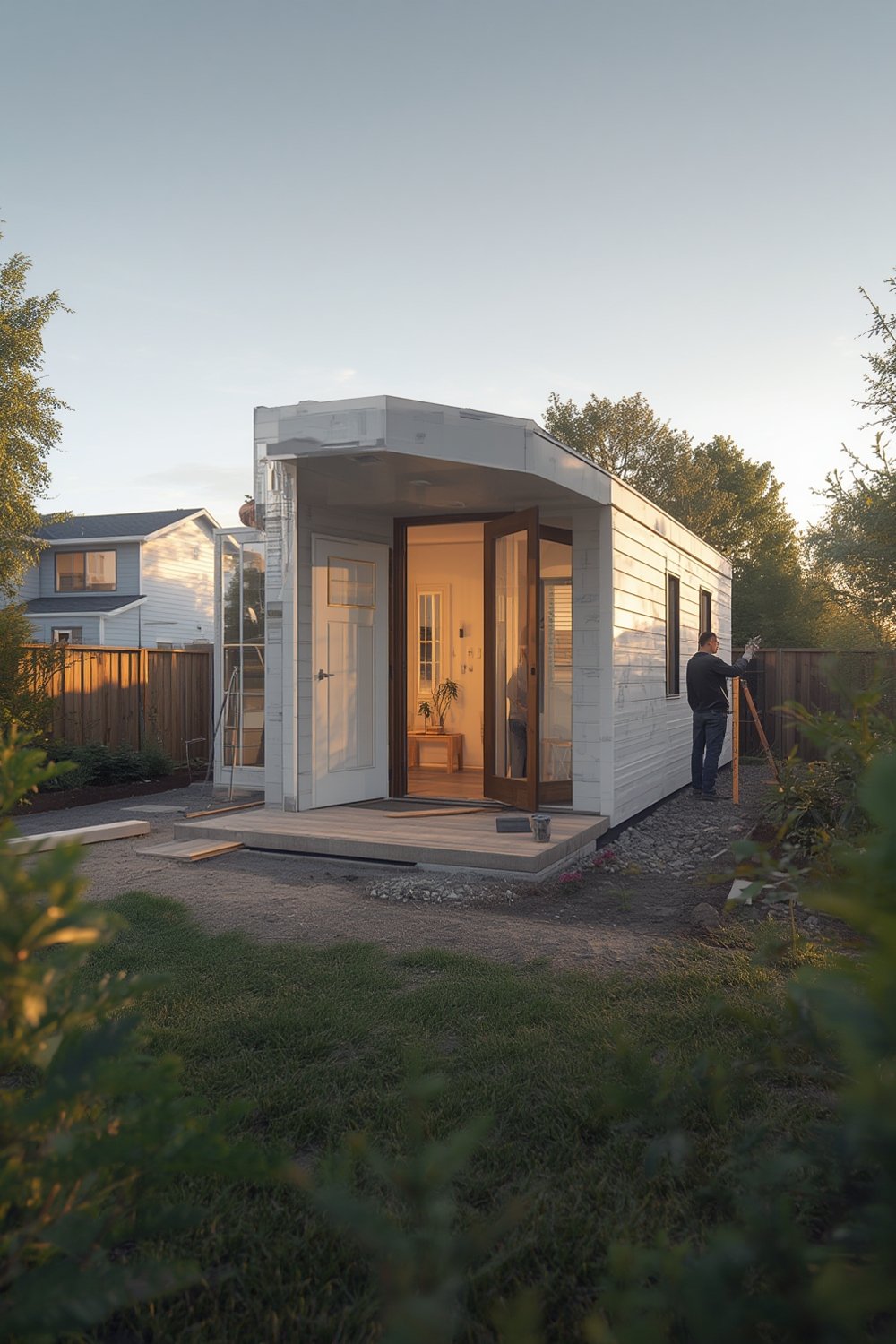
Why is ADU construction so popular? Cities like Los Angeles, San Diego, and Austin have eased restrictions in response to housing demand, making it easier (but rarely simple) to build. Prefab ADUs in particular help homeowners save money and avoid some complications—but every approach requires careful financial and regulatory planning.
ADU construction is also drawing attention because property owners can increase their home’s value by 20%–35%[source], while offsetting mortgage payments or supporting multi-generational living. New 2024 data shows that the U.S. ADU market is worth $8.5B and growing by over 6% per year[source].
Still, costs can be significant: prefab ADUs typically cost $100,000–$250,000, while custom detached units average $150,000–$400,000+ in most cities[source]. Garage conversions are usually the cheapest, starting around $50,000.
Want more on the basics? Our ADU basics guide explains all types and legal definitions for your area.
How To Build an ADU: Step-by-Step Guide
ADU construction is complex, but breaking it down into clear phases helps you avoid major mistakes and budget surprises. Here’s a proven step-by-step approach for 2024:
- Research Local ADU Laws and Zoning
Contact your city’s planning department. Each city or county has unique requirements on lot size, setbacks, utilities, and maximum ADU size. In places like California and Oregon, expect extensive permit and design review.
Check our ADU permits checklist for city-specific info.
- Define Goals, Budget, and ADU Type
Do you need a rental, in-law suite, or home office? Will you convert an existing garage (cost breakdown here) or build a new structure? Create a budget including design, labor, materials, fees, and 10%–15% for surprises.
- Pick a Build Method: Prefab vs. Site-Built
Prefab ADUs tend to cut timelines and cost 10%–25% less than site-built models, especially in high-labor markets like California.
If you want custom finishes, opt for a traditional builder but expect higher costs and longer duration.
- Hire Your Team
Interview licensed ADU builders or prefab suppliers. Request site visits, detailed written quotes, and references. Be wary of lowball bids or unrealistically quick timelines—a common red flag.
See our best ADU builders list for vetted professionals.
- Design & Obtain Permits
Work with an architect or designer who knows local code. Obtain official architectural plans ($4,000–$20,000). Submit to city and budget 2–3 months (San Diego, Portland, and LA often take longer) for review and revisions. Permitting fees usually run $4,000–$7,000 in major metros[source].
- Site Prep
Clear land, pour new foundation ($5,000–$20,000), and upgrade water, sewer, electrical, or gas. Don’t overlook access needs—trenching or tapping into old utilities is a frequent cause of unexpected bills.
- Construction or Installation
Prefab ADUs are assembled in a factory and delivered nearly finished, then hooked up onsite (siding, roof, final trim). Site-built ADUs follow traditional steps: framing ($20,000–$50,000), roofing/siding ($5,000–$30,000), plumbing and HVAC ($10,000–$30,000), and interior finishes ($40,000–$120,000).
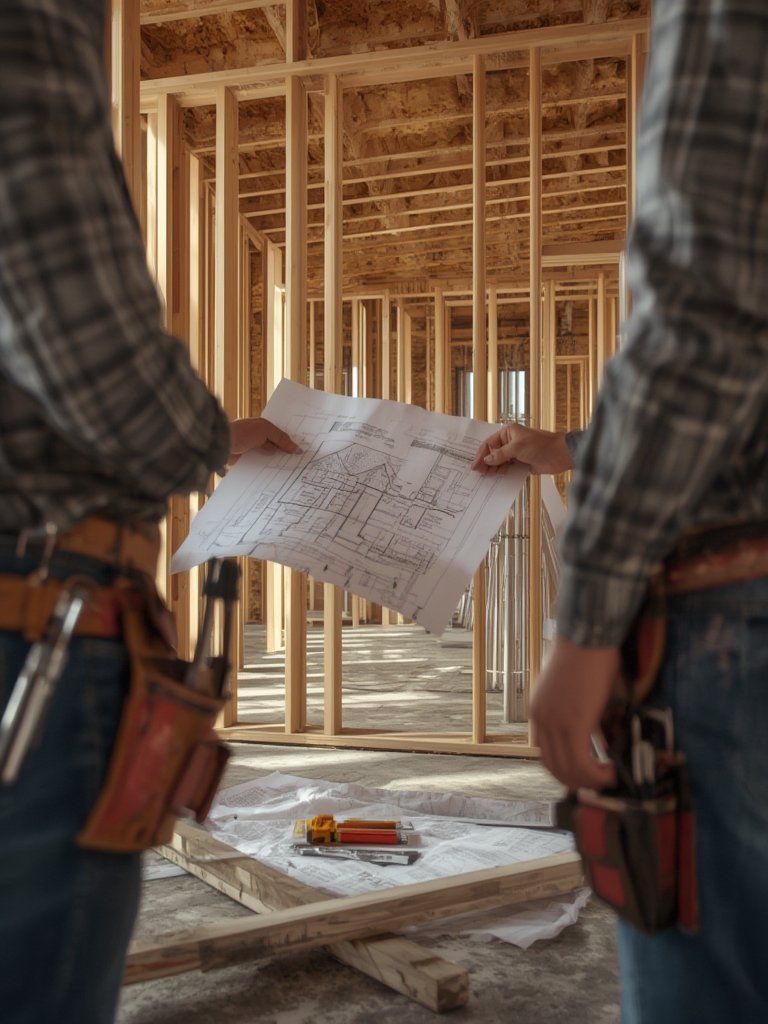
Garage conversions are faster and may skip foundation or framing.
- Inspections & Final Approvals
Schedule required inspections after each critical phase. Correct any code violations. It’s not uncommon to need minor fixes or reruns, especially with city inspectors in high-demand regions.
- Move In or Prepare for Rental
After sign-off, set up the ADU for your intended use. If renting, check our rental income optimization tips.
Advanced Analysis & Common Pitfalls in ADU Construction
While ADUs offer strong potential, it’s easy to underestimate practical challenges. Here are the biggest issues that sidetrack real homeowners:
- Permitting & Regulatory Delays: In cities like San Diego and LA, permit processing alone can take 2–4 months. If your plans require revisions or extra reviews, budget for more time and higher costs.
- Unpredictable Project Costs: Most ADUs run over budget due to hidden site work (tree roots, soil issues, or grading), increasing materials or labor, and changes to design mid-project.
- Weather & Site Logistics: Site-built projects are vulnerable to weather delays, especially during foundation or framing. Prefab models avoid much of this—except for the week of installation.
- Missed Underrepresented Topics: Few contractors discuss long-term maintenance. Prefab ADUs can have lower repair costs, but always request warranty terms before signing. Likewise, accessibility features (wider doors, ramps, roll-in showers) should be considered early if future-proofing or rental to aging tenants is a goal.
- Rental ROI Misunderstandings: Many owners overestimate income. While ADUs often add 20%–35% to property value[source], ROI depends on rental rates, occupancy, taxes, and permit restrictions. Do your math.
Let’s compare cost ranges by type and region:
| Type | Cost (National) | High-Cost Metro Range | Notes |
|---|---|---|---|
| Prefab/Modular ADU | $100,000–$250,000 | California: $129,000–$350,000 San Francisco Bay: up to $630,000 |
10–25% less than site-built; faster install |
| Site-Built ADU | $150,000–$400,000 | CA/OR/WA: $250,000–$600,000 | Full customization; longer timeline |
| Garage Conversion | $50,000–$150,000 | Large cities: up to $250/sq ft | Uses existing structure; budget-friendly |
Want to estimate your ROI? While most articles skip real formulas, you can calculate payback by dividing your estimated net rental income per year by the total ADU project cost. For a deeper dive, see our ADU ROI calculator.
Conclusion: Should You Invest in ADU Construction?
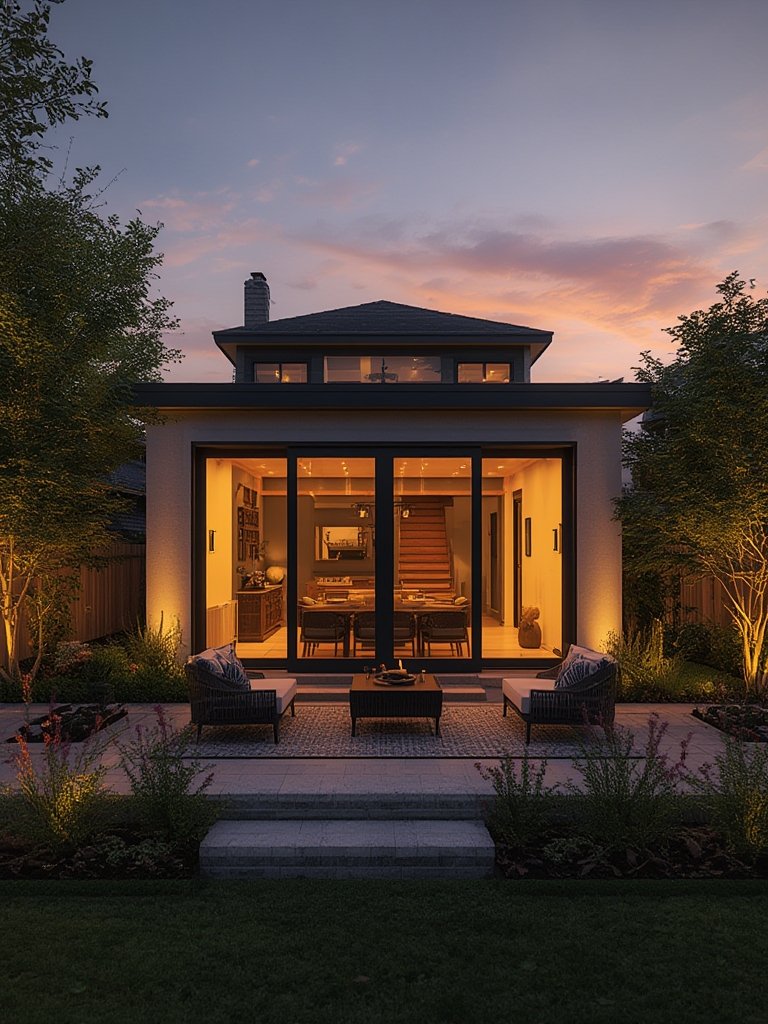
ADU construction in 2024 is one of the smartest ways to add value and function to your property—when done right. Budget carefully. Research your local requirements. Work only with vetted builders or prefab suppliers who provide support and transparency. Don’t forget underappreciated topics like maintenance and accessibility. If you’re ready to research more, check out our complete ADU construction checklist or get connected with a local expert today.
Thinking about starting your own ADU construction project? Get your custom plan or quote and take the first step toward more value and flexibility in your home.
FAQ
What is the average cost for ADU construction in 2024?
Prefab ADUs typically run $100,000–$250,000, while site-built units average $150,000–$400,000. In high-cost metro areas like San Francisco or Los Angeles, costs can reach $600,000 for custom detached models. Garage conversions are the most affordable, averaging $50,000–$150,000. Always factor in permitting, design, utility upgrades, and a contingency fund.
How long does it take to build an ADU?
Permitting alone can take 2–3 months in most cities. Prefab ADUs may be ready to move in within 4–5 months (including permits), while site-built versions often require 6–10 months. Add extra time if your site is sloped, needs major utility upgrades, or your city faces long permit backlogs.
Can I use a prefab ADU in high-regulation cities like Los Angeles?
Yes, most prefab ADUs are designed for states like California, including LA and San Diego. However, you still need to work with your city’s planning office to ensure the model meets zoning rules, fire codes, and utility hook-up standards. Some manufacturers offer permitting support to speed up the process.
What are the most common pitfalls in ADU construction?
Top pitfalls include underestimating permitting timelines, missing hidden costs (utility tie-ins, grading, unexpected design changes), and failing to clarify builder warranties or long-term maintenance. Be wary of any contractor promising “guaranteed” timelines before reviewing your site in person.
Does building an ADU increase my property value?
In most U.S. markets, adding an ADU boosts property value by 20%–35%. Value increases vary by city, ADU size, and rental potential. While adding an ADU typically increases resale value, you should also research how it may impact your property taxes and insurance premiums before starting construction.